The Benefits of Retrofitting Used Bucket Trucks for Modern Utility Needs
- February 1, 2026
- bucket trucks
- Posted by admin
- Leave your thoughts
Utility work has changed fast. Crews face tighter safety rules, heavier tool loads, longer shifts, and higher productivity pressure. Yet many fleets still operate older equipment that was built for a different era. Buying brand-new units sounds like the answer, but pricing, wait times, and budget limits often make that option unrealistic.
According to OSHA, falls remain one of the leading causes of serious injuries for workers. This is where retrofitting comes in. Retrofitting allows companies to modernize a used bucket truck with updated safety, storage, and control systems without replacing the entire unit. For many operators, this approach delivers better crew performance and stronger safety outcomes at a fraction of the cost.
Upgraded bucket trucks for utility work are not about cosmetic changes. They are about function, compliance, and keeping crews productive in the field.
Why Older Bucket Trucks Struggle With Modern Utility Demands
Many used bucket trucks still in service were built before current work standards took hold. Tool counts were lower. Safety equipment was basic. Ergonomic design received little attention.
Today’s utility crews carry battery-powered tools, testing equipment, safety gear, and communication devices. Without proper storage, these items clutter the platform and truck bed. This slows work and increases fall risk.
Controls on older units may require awkward hand positioning. Long shifts amplify fatigue. Limited harness attachment points restrict safe movement in the bucket.
Replacing the entire truck is costly. Retrofitting solves these gaps while extending the value of a used bucket truck already suited to the job.
What Retrofitting Means for Utility Fleets
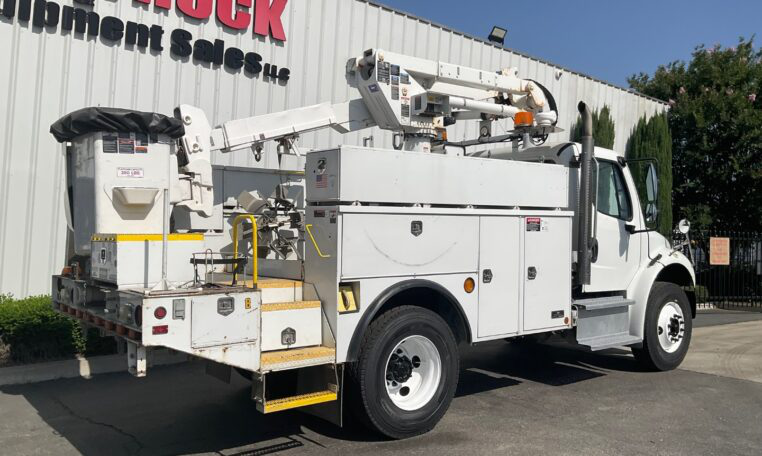
Retrofitting involves upgrading specific components to meet current work and safety needs. The chassis and boom remain in service. Select systems are improved or replaced.
This approach gives fleet managers control. Upgrades are chosen based on actual job demands rather than factory defaults.
Upgraded bucket trucks for utility operations often include safety improvements, tool organization systems, and operator-focused controls. Each upgrade targets a specific problem crews face daily.
Enhanced Tool Storage Improves Workflow and Safety
Tool management is one of the most practical retrofit upgrades. Poor storage creates clutter. Clutter causes delays and accidents.
Modern storage solutions include side compartments with adjustable shelving, lockable toolboxes, and dedicated holders for saws and drills. Platform-mounted tool trays reduce the need for repeated trips up and down.
These upgrades cut wasted motion. Crews spend less time reaching and repositioning tools. Items stay secured during boom movement.
For a used bucket truck in UT, adding proper storage also protects expensive equipment from damage and theft. This has a direct impact on operating costs.
Upgraded Safety Harness Systems Reduce Risk
Fall protection expectations have increased across utility sectors. Older bucket trucks may only support basic harness setups.
Retrofitting allows the installation of modern anchorage points designed for full-body harnesses. Dual lanyard systems support controlled movement within the bucket.
Some upgrades also include improved guardrail padding and non-slip bucket flooring. These features help maintain footing during wet or icy conditions.
Upgraded bucket trucks for utility work give crews confidence. Workers focus on the task instead of worrying about balance or attachment limits.
Ergonomic Controls Support Longer, Safer Shifts
Control fatigue is a real issue. Older joystick and lever systems often require constant grip force and awkward wrist angles.
Retrofitted controls are designed for natural hand positioning. Reduced resistance lowers strain during repetitive movements.
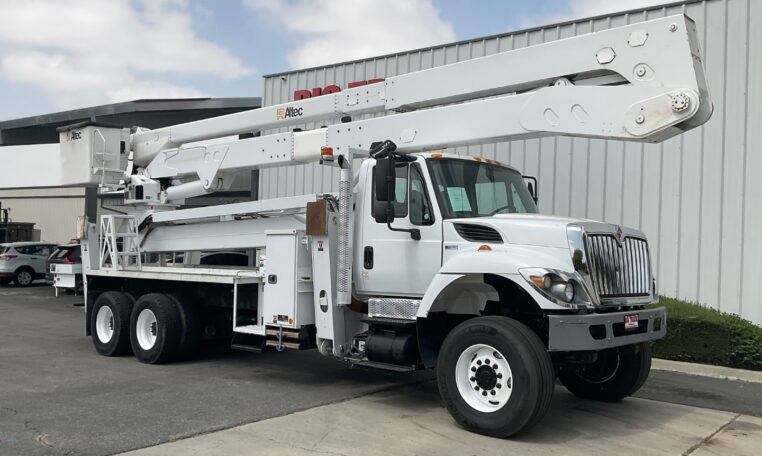
Some upgrades include proportional controls that allow smoother boom motion. This improves placement accuracy and reduces sudden movements that stress the operator.
Over a full shift, ergonomic improvements reduce muscle fatigue. This leads to fewer errors and safer operation at height.
Improved Lighting Extends Work Hours Safely
Utility work does not stop at sunset. Storm response, emergency repairs, and scheduled night work demand proper lighting.
Many older bucket trucks rely on basic floodlights with limited coverage. Retrofitting allows LED work lights to be added to the boom, platform, and truck body.
LED systems provide brighter illumination with lower power draw. Shadows are reduced. Visibility improves inside cabinets and around the work zone.
For a used bucket truck, lighting upgrades significantly improve job site awareness without major electrical system changes.
Electrical System Updates Support Modern Tools
Battery-powered tools are now standard on utility crews. Charging needs have increased.
Retrofitting can include onboard power inverters, dedicated charging stations, and protected outlets. This keeps tools ready without relying on external generators.
Updated wiring also supports communication devices and monitoring equipment. Crews stay connected and productive throughout the shift.
Upgraded bucket trucks for utility work must support these demands to keep pace with modern job requirements.
Weather Protection Enhances Operator Comfort
Comfort affects performance. Older bucket trucks may lack proper weather shielding in the platform area.
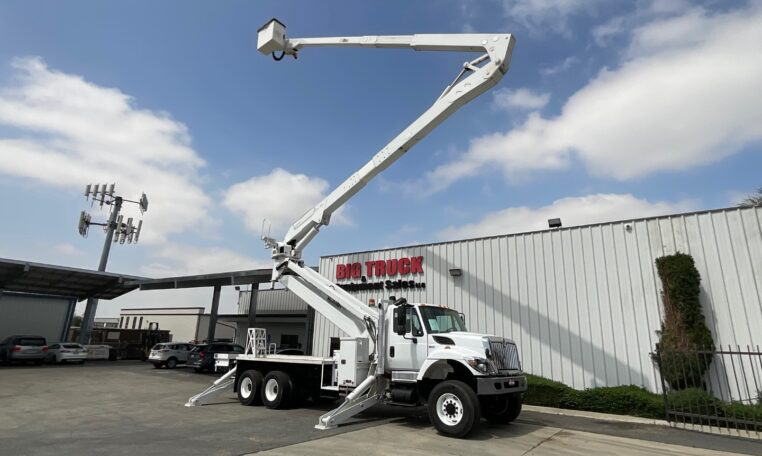
Retrofit options include improved bucket liners, wind guards, and insulated control housings. These upgrades help during cold, heat, and wind exposure.
Reduced discomfort allows operators to maintain focus. This matters during detailed work at height.
Compliance Benefits of Retrofitting
Safety and equipment standards continue to tighten. Older equipment may fall short of current expectations without modification.
Retrofitting helps align a used bucket truck with updated guidelines related to fall protection, visibility, and control systems. This supports inspection readiness and reduces compliance-related downtime.
For contractors bidding on utility work, having upgraded equipment strengthens credibility during audits and prequalification reviews.
Cost Advantages Over Buying New Equipment
New bucket trucks carry high purchase prices and long lead times. Retrofitting offers faster deployment and lower upfront cost.
Fleet managers can allocate funds to specific improvements instead of paying for features that go unused. This targeted spending improves return on investment.
Upgraded bucket trucks for utility use often perform at a level comparable to newer units when matched correctly to job scope.
Extending the Service Life of a Used Bucket Truck
A well-maintained chassis and boom can remain productive for many years. Retrofitting refreshes the working environment without discarding valuable assets.
Upgrades reduce wear on operators and equipment. Improved controls limit mechanical stress. Organized storage prevents damage.
This extends the useful life of a used bucket truck while keeping it aligned with current job expectations.
Supporting Mixed Utility Workloads
Many fleets handle electrical, telecom, lighting, and municipal tasks. Each requires different tools and access needs.
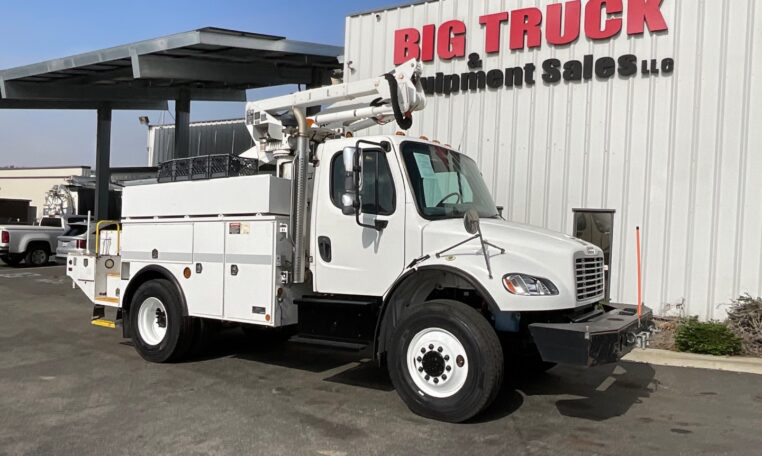
Retrofitted storage and control layouts can support multiple work types without reconfiguring the truck between jobs.
This flexibility keeps equipment in service across more projects. Downtime drops. Utilization improves.
Training Benefits for Crews
Modernized controls and safety systems are easier to learn. New hires adapt faster.
Clear storage layouts reduce confusion. Updated harness points standardize safety practices across the fleet.
Consistency improves crew confidence and reduces onboarding time.
Retrofitting as a Fleet Scaling Strategy
Growing fleets face budget pressure. Buying new units for every expansion phase is not always practical.
Retrofitting allows companies to scale gradually. Used equipment is acquired, upgraded, and deployed as demand increases.
This approach controls capital spending while maintaining work quality.
Environmental Considerations
Extending the life of existing equipment reduces manufacturing demand and material waste. Retrofitting supports responsible asset management.
For organizations with sustainability goals, upgrading used equipment aligns with resource efficiency without sacrificing performance.
What to Look for Before Retrofitting
Not every used bucket truck is a good candidate. Structural integrity matters.
Before upgrades, buyers should inspect the boom, outriggers, frame, and hydraulic systems. A solid foundation ensures retrofit investment makes sense.
Working with sellers who understand equipment history simplifies this process.
Finding the Right Used Bucket Truck to Upgrade
Selection matters. The right platform height, boom configuration, and chassis capacity should match planned upgrades.
Buyers should consider future needs, not just current work. This avoids repeating upgrade cycles.
Bucket trucks for sale in the used market offer wide configuration options. Choosing the right base unit makes retrofitting more effective.
Why Retrofitted Trucks Perform Better in Daily Utility Work
Upgrades target daily friction points. Less clutter. Better movement. Safer positioning.
Crews work faster with fewer interruptions. Supervisors see fewer incidents and delays.
Upgraded bucket trucks for utility operations support real-world demands without inflating fleet budgets.
Long-Term Value for Utility Contractors
Retrofitting is not a temporary fix. It is a long-term equipment strategy.
Improved safety reduces claims. Better ergonomics reduce fatigue. Organized storage improves job flow.
These gains compound over time. The used bucket truck becomes a dependable asset rather than a compromise.
Get the Right Used Bucket Truck at Big Truck & Equipment Sales
At Big Truck & Equipment Sales, we help utility contractors find the right used bucket trucks in PA, Texas, Arizona, and other U.S. states, as well as the right upgrade path. Our inventory includes bucket trucks for sale in CO, that are well-suited for retrofit projects and modern field demands.
If you are looking to improve safety, productivity, and crew comfort without committing to new equipment pricing, our team is ready to help you choose a truck that fits your workload and budget. Contact us today to find the right unit.
