Street Sweeper Trucks for Municipal and Commercial Use: What Buyers Need to Know
- March 8, 2026
- Street Sweepers
- Posted by admin
- Leave your thoughts
If you are in the market for street sweeper trucks for municipal and commercial use, the buying process can feel overwhelming at first. There are different technologies, different chassis types, different maintenance needs, and a wide range of price points. Choosing the right sweeper is less about chasing the newest model and more about understanding how the machine will actually be used day after day.
This guide breaks down the types of sweepers, how they work, what maintenance really looks like, and what buyers should think about when looking for a street sweeper truck for sale. The goal is not to sell you anything. It is to help you make a confident, informed decision that fits your streets, your crews, and your budget.
Why Street Sweepers Matter More Than Most People Realize
Street sweeping is often treated like a cosmetic service, but its impact runs deeper. For municipalities, regular sweeping reduces debris that clogs storm drains and carries pollutants into waterways. It also helps extend the life of asphalt by removing abrasive grit that breaks down surfaces over time.
For commercial properties, clean pavement shapes first impressions. Shopping centers, industrial parks, campuses, and private communities all rely on street sweeper trucks for municipal and commercial use to keep areas safe, presentable, and compliant with local regulations.
Sweeping also plays a role in safety. Loose gravel, sand, and debris increase braking distance and create hazards for cyclists and pedestrians. A well-matched street sweeper quietly reduces those risks every time it rolls out.
Understanding the Main Types of Street Sweeper Trucks
Not all sweepers are built the same, and choosing the wrong type can lead to poor performance and higher operating costs. The best sweeper is the one that matches the debris, surface, and operating environment you actually have.
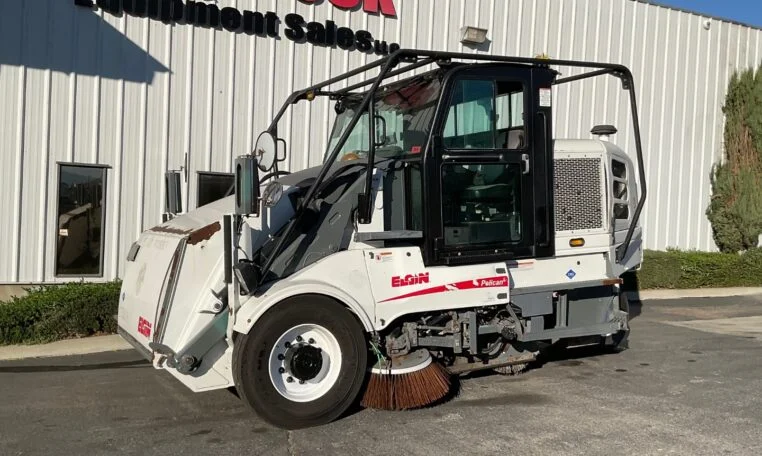
Mechanical broom sweepers are the most traditional option. They use rotating gutter brooms and a conveyor system to lift debris into a hopper. These machines excel at handling heavy materials like gravel, millings, and wet debris. Municipal crews often rely on mechanical sweepers for construction cleanup, seasonal sanding removal, and rougher streets. Many buyers searching for street sweeper trucks for municipal and commercial use start here because these machines are proven and durable.
Regenerative air sweepers rely on high-velocity air to lift debris off the pavement and recirculate it into a hopper. They are known for their ability to pick up fine particles and dust while using less water than some other systems. Regenerative air sweepers are commonly used for routine street cleaning, parking lots, and environmentally sensitive areas. They offer a balance between debris control and operational efficiency.
Vacuum sweepers use powerful suction to lift debris directly into the hopper. These machines are especially effective for fine dust, leaves, and lighter materials. They are often used in downtown areas, airports, and places where air quality is a concern. When buyers evaluate street sweeper trucks for municipal and commercial use, vacuum sweepers often appeal to those focused on dust control and regulatory compliance.
Each system has strengths and trade-offs. There is no universal best option, only the best match for how and where the sweeper will operate.
Matching the Sweeper to the Job, Not the Spec Sheet
One of the most common mistakes buyers make is focusing too heavily on specifications instead of real-world use. Horsepower, hopper size, and sweeping width matter, but they do not tell the whole story.
Think about the streets themselves. Are they wide arterial roads or narrow residential lanes? Are there tight corners, parked cars, or frequent obstacles? A compact sweeper may outperform a larger machine simply because it can maneuver more easily and complete routes faster.
Consider the debris. Sand, gravel, and millings demand different equipment than leaves, dust, and litter. Municipalities that deal with winter sanding often favor mechanical sweepers, while commercial operators maintaining clean parking lots may lean toward regenerative air or vacuum systems.
Operating schedules matter too. If the sweeper runs long shifts, operator comfort and ease of maintenance become critical. For many buyers searching for street sweeper trucks for municipal and commercial use, reliability and uptime matter more than cutting-edge features.
New Versus Used Street Sweeper Trucks
Buying new equipment has its appeal, but it is not always the smartest financial move. Many fleets successfully operate used sweepers that still have years of productive life left.
A well-maintained used street sweeper truck for sale can deliver excellent value, especially for smaller municipalities or contractors expanding their services. The key is understanding what to inspect and what questions to ask.
Hours matter, but they are not everything. Maintenance records often tell a more accurate story. A higher-hour machine with consistent service can outperform a low-hour unit that sat idle or was poorly maintained. Look closely at broom systems, suction components, hydraulic lines, and hopper condition. These are the areas where wear shows up first.
Chassis condition is equally important. Sweepers work hard, often at low speeds with frequent stops. Transmission health, suspension components, and brake systems should all be carefully evaluated when considering a street sweeper truck for sale.
Maintenance Is Part of the Ownership Experience
Street sweepers are not set-and-forget machines. They require regular attention, and buyers should go in with clear expectations.
Daily inspections are part of normal operation. Crews check brooms, hoses, filters, and fluid levels before heading out. This routine catches small issues before they turn into downtime.
Longer-term maintenance includes replacing wear items like brooms, belts, and filters. Vacuum and regenerative air sweepers require careful attention to airflow systems. Mechanical sweepers need monitoring of conveyors and moving parts. None of this is unusual, but it does require planning.
For buyers considering street sweeper trucks for municipal and commercial use, access to parts and service support matters just as much as the machine itself. A reliable sweeper loses value quickly if it sits waiting for repairs.
Operator Experience Makes a Bigger Difference Than Most Buyers Expect
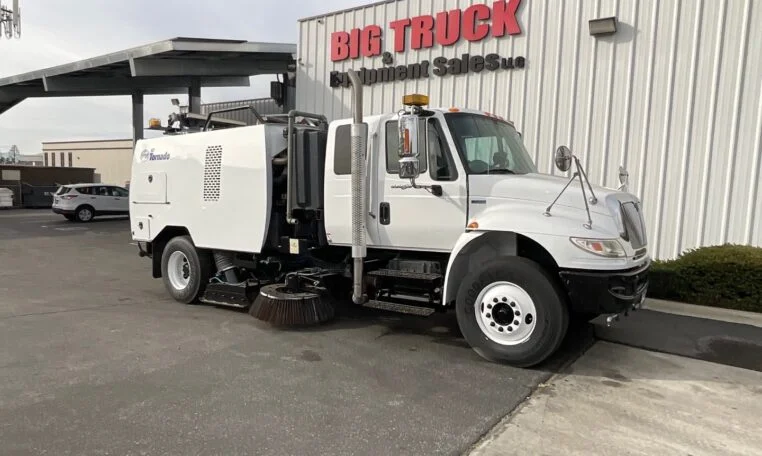
Even the best street sweeper performs poorly if operators are uncomfortable or undertrained. Visibility, control layout, noise levels, and ride quality all affect how effectively a sweeper is used.
Modern sweepers often include ergonomic cabs, better sightlines, and simplified controls. These features reduce fatigue and help operators focus on cleaning rather than fighting the machine.
Training also matters. Understanding how to adjust broom pressure, manage water usage, and respond to different debris types can dramatically improve results. Municipal fleets that invest in operator training often see better performance from the same street sweeper trucks for municipal and commercial use than fleets that treat sweepers as simple trucks.
Environmental Regulations and Compliance Considerations
Street sweeping is closely tied to environmental compliance, especially in areas with stormwater regulations. Many municipalities rely on sweepers to meet permit requirements related to runoff and particulate control.
Choosing the right sweeper can support these goals. Machines designed to capture fine particles help reduce pollutants entering waterways. Water management systems also matter, particularly in drought-prone regions.
When evaluating a street sweeper truck for sale, buyers should consider whether the equipment aligns with current and future environmental standards. Compliance requirements tend to tighten over time, not loosen.
Budgeting Beyond the Purchase Price
The sticker price is only one part of the ownership equation. Fuel consumption, maintenance costs, parts availability, and resale value all affect long-term cost.
Some sweepers cost more upfront but deliver lower operating expenses over time. Others offer a lower entry point but require more frequent service. Neither approach is wrong, but buyers should be clear about which trade-off they are making.
For municipalities managing taxpayer funds, transparency and predictability matter. For commercial operators, uptime and cost control directly affect profitability. In both cases, street sweeper trucks for municipal and commercial use should be evaluated as long-term tools, not short-term purchases.
How Route Planning Influences Equipment Choice
Route design plays a quiet but important role in sweeper selection. Long, straight routes favor larger hoppers and higher speeds. Dense urban areas with frequent stops favor maneuverability and visibility.
Hills and grades also matter. Some sweepers perform better on inclines than others, depending on drivetrain design and weight distribution. Buyers should think about real routes, not ideal conditions, when evaluating a street sweeper truck for sale.
Seasonal Demands and Flexibility
Many sweepers work year-round, but seasonal demands can vary dramatically. Spring cleanup after winter sanding is very different from fall leaf collection or summer dust control.
Some fleets use different sweepers for different seasons. Others rely on a single versatile machine. Understanding these patterns helps buyers choose street sweeper trucks for municipal and commercial use that stay productive all year instead of excelling for only a few months.
The Role of Dealer Support and Reputation
Where you buy matters. A reputable dealer does more than complete a transaction. They help match equipment to application, provide service support, and stand behind what they sell.
When looking at a used street sweeper truck for sale, dealer inspection processes and transparency make a real difference. Honest assessments build long-term trust and reduce unpleasant surprises after delivery.
Technology Features That Actually Matter
Not every feature adds value, but some genuinely improve operations. Backup cameras, diagnostic systems, and user-friendly control panels help operators work more efficiently and safely.
Telematics can also play a role for larger fleets. Tracking usage, maintenance intervals, and route data helps managers get more from their street sweeper trucks for municipal and commercial use without increasing workload.
The key is choosing features that solve real problems rather than chasing the latest upgrade.
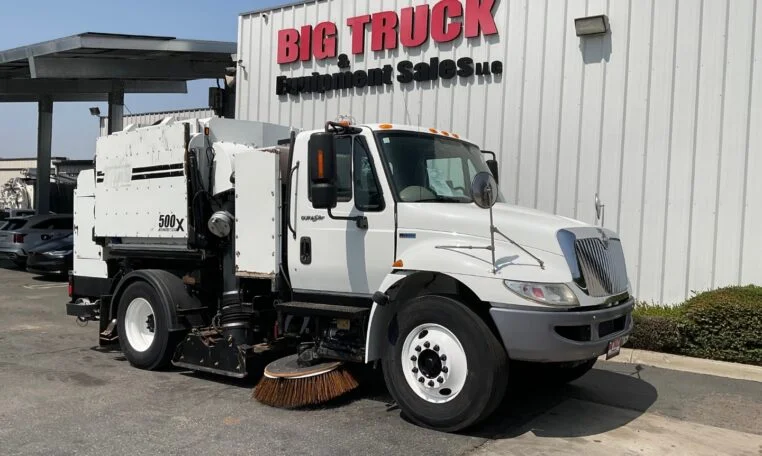
At Big Truck & Equipment Sales, we understand that choosing the right equipment is about reliability, value, and real-world performance. That’s why we offer a wide selection of premium yet affordable used equipment, including street sweeper trucks for municipal and commercial use that are built to handle demanding routes and daily operations. Whether you’re looking for a dependable street sweeper truck for sale in TX or ready to buy street sweeper trucks in UT that fit your budget without cutting corners, our inventory is carefully sourced and inspected to deliver lasting performance.
Reach out to our team today to find the right sweeper that keeps your streets clean and your operation running smoothly.
