How Sweeper Trucks Contribute to Safer and Cleaner City Streets
- January 31, 2026
- Street Sweepers
- Posted by admin
- Leave your thoughts
City streets carry more than traffic. They collect dust, broken pavement, tire fragments, leaves, trash, and runoff residue every single day. When this material stays on the road, it creates hazards for vehicles, pedestrians, and drainage systems. Municipal crews face constant pressure to keep streets safe with limited budgets and tight schedules.
According to studies, urban runoff is one of the leading sources of surface water pollution, carrying sediment, metals, and debris from streets directly into storm drains and waterways.
That reality places urban sweeper trucks at the center of modern city maintenance. These machines do far more than improve appearance. They protect infrastructure, support public safety, and reduce long-term repair costs.
The Daily Debris Problem on City Streets
Urban roads face nonstop wear.
Traffic grinds pavement into fine particles. Construction zones leave behind gravel and dust. Tree-lined streets drop leaves and seed pods. Storms push trash toward curbs and drains.
This debris builds up quickly. Without routine removal, it becomes airborne dust, slippery material, or clogged drainage.
Urban sweeper trucks address this problem before it turns into damage or injury.
How Urban Sweeper Trucks Remove Hazardous Road Debris
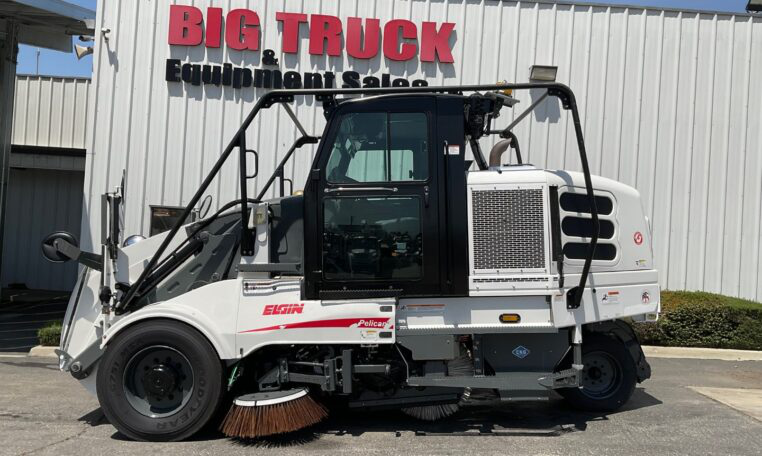
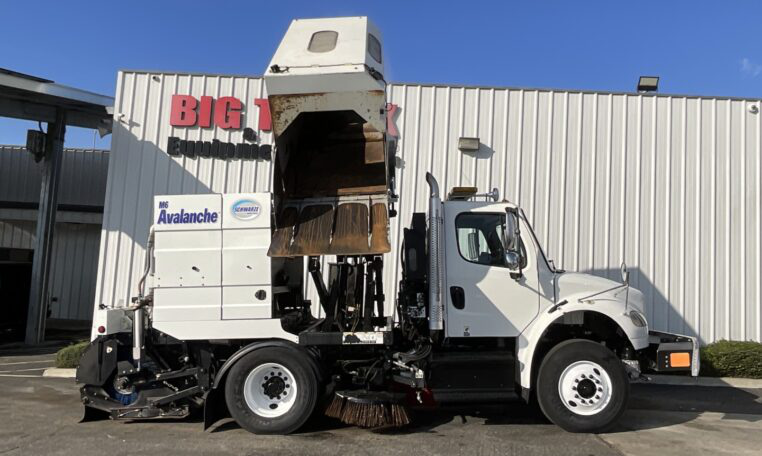
Modern sweepers combine mechanical brushes with suction systems.
Curb brooms pull material from the gutter line. Main brooms lift debris into the hopper. Suction systems capture fine particles that brushing alone cannot handle.
This process removes sand, glass, metal fragments, and organic waste.
Street sweeper truck for sale options often include high-capacity hoppers that allow longer routes with fewer dump cycles. This increases daily coverage without adding labor.
Improving Pedestrian Safety in High Traffic Areas
Pedestrians face real risks from dirty streets.
Loose gravel causes slips near crosswalks. Wet leaves become slick surfaces. Broken glass near bus stops creates injury risk.
Urban sweeper trucks reduce these hazards by clearing curb ramps, sidewalk edges, and intersections.
Cities that maintain regular sweeping schedules report fewer slip-related claims near public walkways. Clean streets support safer foot traffic in business districts and school zones.
Reducing Vehicle Accidents Linked to Road Debris
Debris not only affects pedestrians. Loose material reduces tire grip during braking. Fine dust lowers visibility during dry weather. Standing debris increases hydroplaning risk during rain.
Urban sweeper trucks remove this buildup before it creates accident conditions.
For traffic-heavy corridors, scheduled sweeping supports safer driving conditions without requiring lane reconstruction.
Preventing Stormwater System Blockages
Storm drains are not built to handle street debris.
Leaves, plastic waste, and sediment block inlet grates. Water backs up onto roads. Flooding damages pavement and nearby property.
Urban sweeper trucks intercept debris before rainfall moves it into the drainage system.
This prevention step lowers emergency response costs tied to flooded intersections and blocked culverts.
Municipal crews often sweep routes ahead of forecasted storms for this reason.
Protecting Local Waterways Through Street Cleaning
What stays on the street often ends up in nearby rivers.
Heavy metals from brake dust, oils from vehicles, and sediment flow directly into waterways through storm drains.
Street sweeping reduces this pollution load at the source.
Environmental studies consistently show that routine sweeping lowers sediment and contaminant levels in runoff. This supports clean water goals without expensive treatment upgrades.
Supporting Compliance with Environmental Standards
Cities face growing regulatory pressure related to runoff control.
Municipal separate storm sewer system permits often require documented pollutant reduction practices.
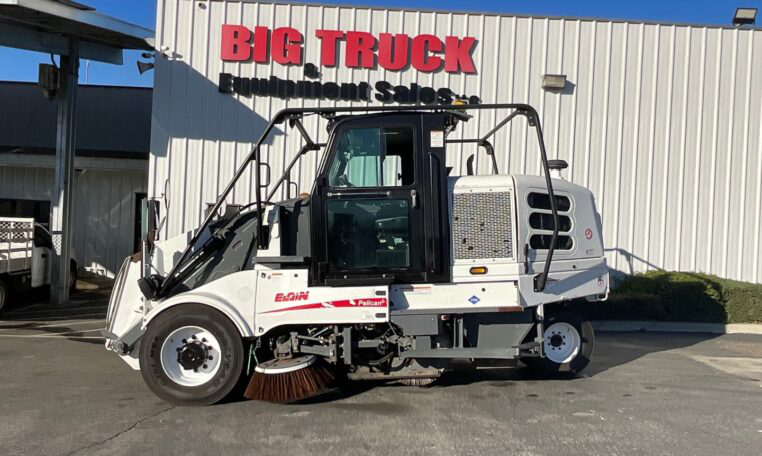
Urban sweeper trucks help cities meet these requirements through measurable debris removal.
Sweep logs, route records, and collected material weights provide data that support compliance reporting.
Managing Seasonal Challenges with Sweeper Trucks
Street conditions change throughout the year.
Spring brings sand left from winter traction. Summer adds construction debris and dust. Fall fills gutters with leaves. Winter introduces salt residue.
Sweeper trucks adjust to these shifts with brush changes and route planning.
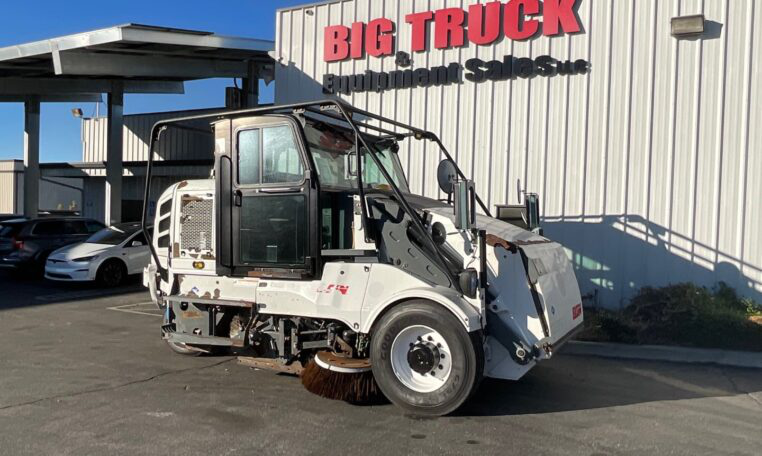
Street sweeper truck for sale models in the used market often include interchangeable broom systems suited for seasonal work.
This flexibility helps cities respond without purchasing multiple machines.
Why Street Sweeping Lowers Long-Term Road Repair Costs
Debris accelerates pavement wear.
Sand acts like sandpaper under traffic. Standing water seeps into cracks. Organic matter traps moisture against asphalt.
Routine sweeping removes these contributors.
By extending pavement life, cities delay resurfacing projects that cost millions.
Urban sweeper trucks support asset preservation as much as cleanliness.
Labor Efficiency Through Mechanized Cleaning
Manual cleanup takes time.
Crews with brooms and blowers cover limited ground and face traffic exposure.
Sweeper trucks allow one operator to clean miles of roadway during a single shift.
This efficiency matters for budget planning.
Cities that buy sweeper trucks often reassign labor to higher-value maintenance tasks without increasing headcount.
Night Operations Reduce Public Disruption
Many cities operate sweepers during off-peak hours.
Night sweeping limits traffic delays and parking conflicts.
Modern sweepers feature lighting packages and cab visibility systems that support safe low-light operation.
Used sweepers with proper maintenance remain well suited for these schedules.
Noise and Emissions Considerations in Urban Areas
Urban environments demand quieter equipment.
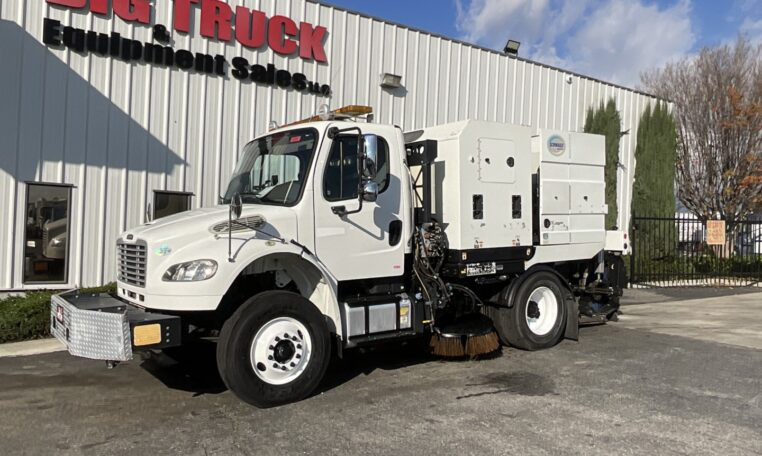
Newer sweeper designs reduce operational noise through improved fan systems and insulated housings.
Cities seeking upgrades often find compliant models in the street sweeper truck for sale market.
Lower noise supports residential acceptance and night route planning.
Selecting the Right Sweeper for City Needs
Not all sweepers perform the same.
Mechanical sweepers handle heavy debris well. Regenerative air sweepers capture finer dust. Vacuum sweepers excel in high-dust zones.
Urban sweeper trucks must match street conditions, debris type, and route length.
Used inventory provides access to multiple configurations without long lead times.
Why Used Urban Sweeper Trucks Make Financial Sense
New sweepers carry significant price tags.
Used units offer proven performance at lower cost. Many come from municipal fleets with scheduled service records.
This allows cities and contractors to expand coverage while staying within budget limits.
Buy sweeper trucks in UT and other US states through reputable sellers to ensure proper inspection and maintenance history.
Maintenance Factors That Impact Sweeper Performance
Street sweepers require regular care. Brush wear affects debris pickup. Suction hoses need inspection. Hydraulic systems support broom movement and dumping.
Cities that maintain these systems see consistent cleaning results.
Used sweepers with documented service schedules often outperform neglected new equipment.
Data and Route Optimization Improve Results
Many sweepers now include GPS and route tracking. This data helps cities adjust schedules based on debris levels and complaint patterns.
Urban sweeper trucks integrated into smart maintenance programs improve street conditions with fewer wasted passes.
Public Perception and Community Trust
Clean streets affect how residents view city services.
Visible sweeping builds confidence in municipal operations. Cleaner roads support business districts and tourism zones. Urban sweeper trucks operate as both maintenance tools and public-facing assets.
Supporting Emergency Response and Recovery
After storms, sweepers clear fallen branches, mud, and trash.
This speeds road reopening and reduces hazards for emergency vehicles.
Urban sweeper trucks support recovery efforts without waiting for heavy construction equipment.
Long-Term Planning with Sweeper Fleets
Cities plan equipment purchases years ahead. Used sweepers offer flexibility during budget cycles and fleet expansion. Street sweeper truck for sale listings allow planners to match capacity needs without overcommitting funds.
Keeping Streets Safe Starts with Consistent Cleaning
Street safety depends on proactive maintenance. Sweeper trucks remove hazards before complaints or accidents occur.
Urban sweeper trucks form the foundation of clean, safe, and functional road networks.
Build a Smarter Sweeping Fleet with Urban Sweeper Trucks from Big Truck & Equipment Sales
At Big Truck & Equipment Sales, we support municipalities and contractors with quality buy sweeper trucks in WA Texas, Arizona, and other US states, built for urban use. Our inventory includes used urban sweeper trucks suited for debris removal, stormwater protection, and pedestrian safety.
If your city plans to buy sweeper trucks without overspending, our team can help match equipment to route demands and budget goals. Reach out today to buy sweeper trucks.
