The Role of Vacuum Trucks in Stormwater Systems
- January 2, 2026
- bucket trucks, vacuum trucks
- Posted by admin
- Leave your thoughts
Cities deal with one ongoing problem every rainy season: drainage systems that clog faster than crews can clear them. Urban drainage networks are prone to malfunctions that limit how much water they can move, which raises the chance of sewer flooding during even moderate rainfall. For property managers and municipal teams, this creates constant pressure to keep storm water flowing before backups hit streets, campuses, and public spaces. This is exactly where vacuum trucks in storm water system maintenance prove their value. They pull out the sediment, leaves, trash, and buildup that choke flow paths long before a storm has the chance to overwhelm the system. Let’s take a closer look at the role of used vacuum trucks in stormwater systems.
Why Stormwater Systems Depend on Effective Cleaning
Stormwater systems, including drains, catch basins, storm lines, and retention ponds, face continuous assault from silt, leaves, trash, oil, sand, and other runoff debris. Over time, these materials accumulate and block flow.
When blockages occur:
- Water pools on streets, parking lots, and sidewalks.
- Catch basins overflow.
- Storm lines build up sediment.
- Surface water infiltrates underground systems, leading to backups and potential structural damage.
Traditional cleaning methods (rods, shovels, manual flushing) often leave residue behind. Even mechanical sweepers or small pumps may struggle to remove heavy silt or debris lodged deep in pipelines. That incomplete cleaning barely scratches the surface, and often leads to recurring maintenance needs.
For preventing problems before they escalate, especially in urban areas with heavy runoff, using vacuum trucks in stormwater system maintenance provides a proactive, long-term solution.
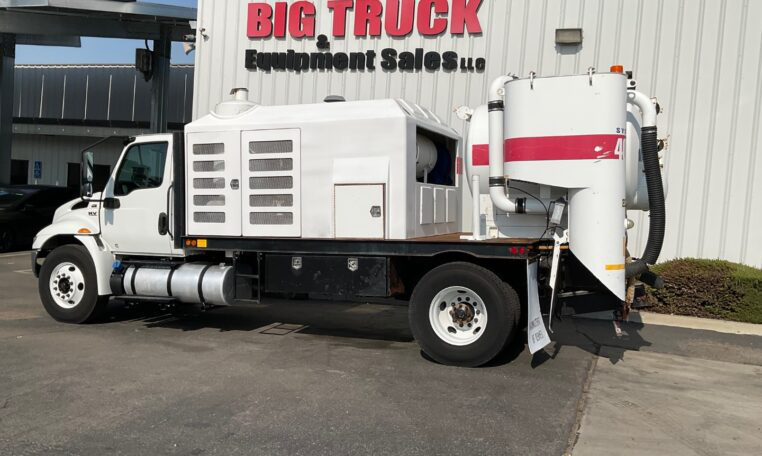
What Makes Used Vacuum Trucks Ideal for Stormwater Systems
Vacuum trucks are purpose-built for suction, debris removal, and safe waste transport. Their design offers several advantages when working with stormwater systems:
- High-powered suction removes heavy, compacted debris
Sediment, sand, oily sludge, and thick organic matter often resist standard cleaning. Vacuum trucks generate strong negative pressure to suck up heavy, mixed loads — capturing even materials that manual or low-power systems leave behind.
- Water flush + vacuum combo for thorough cleaning
Many vacuum systems use pressurized water to loosen compacted material first. That loosens hardened sediment and breaks up sludge or buildup. Then suction removes the slurry thoroughly. This two-step cleaning is far more effective than dry suction or water alone.
- Safe handling and containment of debris
Collected material is stored in sealed tanks or hoppers on the truck. This prevents pollutants from re-entering the environment, avoids surface spills, and allows for controlled disposal. This is especially important when waste includes oily runoff, hazardous debris, or contaminated water.
- Versatility across cleaning scenarios
Used vacuum trucks can clean catch basins, storm lines, retention ponds, sediment traps, and even parking lot drains. From small municipal jobs to large industrial sites, they adapt quickly to varying workloads.
Because of these strengths, vacuum trucks for sale in CA, stormwater system maintenance become the workhorse of preventive cleaning — saving time, money, and reducing environmental risk.
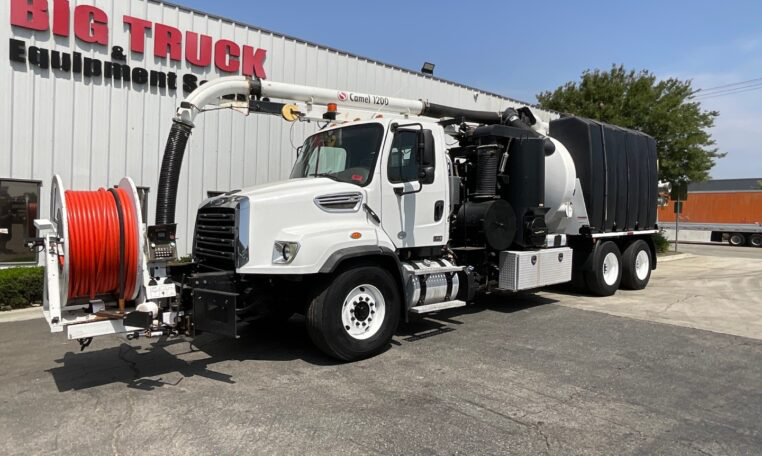
The Cost Benefits of Using Vacuum Trucks for Stormwater System Maintenance
For property managers, municipalities, and facility owners, investing in a vacuum truck, especially a used vacuum truck, brings strong returns. Here’s how:
1. Lower upfront cost compared to new equipment
Rather than paying the premium price on brand-new vacuum trucks, teams can purchase a well-maintained used vacuum truck. That reduces capital outlay and frees resources for operations, staffing, or other infrastructure upkeep.
2. Faster return on investment through recurring services
Stormwater cleaning isn’t a one-time job. It’s recurring — seasonal leaves, winter salts, summer dust, or storm runoff. With your own vacuum truck, you eliminate repeated rental or contractor costs. Over time, those savings accumulate, turning the truck into a revenue-generating asset.
3. Reduced emergency repair and liability costs
Blocked drains can flood parking lots, erode pavement, damage property, or create slip hazards. Addressing these issues proactively with vacuum maintenance reduces the chance of expensive emergency repairs or liability claims.
4. Longer infrastructure lifespan
Regular suction cleaning prevents sediment buildup, reduces pipe corrosion, and avoids structural strain. Over years, that extends the life of drainage lines, drains, and catch basins — saving money on replacement or heavy repairs.
5. Flexibility for internal maintenance scheduling
Municipalities or property management firms gain control over maintenance timing. They don’t rely on external contractors and can schedule cleaning during off-hours, avoiding traffic disruptions and minimizing tenant or commuter impact.
Common Use Cases for Vacuum Trucks in Stormwater Systems
Let’s look at scenarios where vacuum trucks prove their worth consistently:
- Catch Basin and Gutter Cleaning in Urban Zones
Leaves, sand, dirt, plastic wrappers, and oily residue accumulate quickly along busy streets and parking areas. Vacuum trucks clean these regularly, preventing blockages, reducing flood risk, and improving curb appeal.
- Storm Line and Culvert Maintenance
Dirt and sediment settle in drains and culverts over time, narrowing the passage cross-section. Used vacuum trucks flush out that build-up thoroughly, better than water alone, ensuring smooth stormwater flow during heavy rains.
- Industrial or Mixed-Use Complexes with Pollutant Runoff
Factories, parking garages, and large complexes often produce oily runoff or chemical residue. Vacuum trucks clean oily sludge and contaminated water safely, capturing pollutants before they enter public drains, protecting the environment and meeting compliance standards.
- Campus and HOA Stormwater Upkeep
Universities, apartment complexes, or HOAs often have internal drainage networks. Regular vacuum-based maintenance keeps those systems clean, reduces flooding risk during heavy rain, and reduces maintenance backlog pressure.
- Emergency Flood Response and Post-Storm Cleanup
After heavy storms or flash floods, streets and lots often carry excess silt, mud, and debris. Vacuum trucks clear flood debris fast, helping crews restore access and prevent waterborne hazards.
In all these situations, vacuum trucks deliver efficient, comprehensive results — especially when compared to manual cleaning or antiquated mechanical systems.
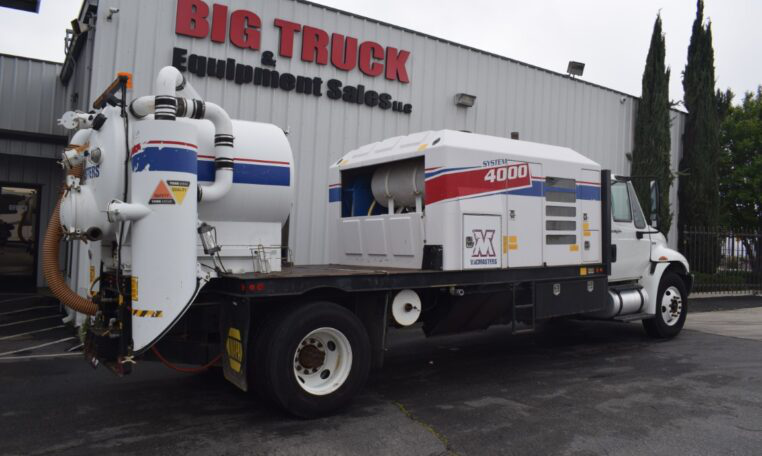
Why Buying a Used Vacuum Truck Makes Sense for Long-Term Stormwater Strategy
Many firms worry about upfront cost and maintenance overhead when purchasing large equipment. But when it comes to vacuum trucks, used units often deliver the same core capability for far less money:
- Depreciation already occurred— You get a fully functional truck without paying for first-year value loss.
- Proven performance history— Older vacuum trucks used in municipal or industrial fleets have long track records under heavy use. That means parts like pumps, hoses, filters, and tanks have proven durability when maintained properly.
- Easy parts availability— Vacuum truck components tend to be standardized. Replacing wear items like hoses, valves, suction gaskets, or filters remains straightforward, unlike rare custom-built machines.
For firms that want to mount a long-term stormwater maintenance program, investing in a used vacuum truck makes financial sense, offering strong return on investment, reliable performance, and manageable upkeep.
Best Practices for Using Vacuum Trucks Effectively in Stormwater System Maintenance
To get full benefit from vacuum trucks in stormwater system work, crews should adopt these regular practices:
- Schedule routine cleaning cycles— catch basins should be on quarterly or seasonal rotation, not reactive cleaning only after floods.
- Perform pre-excavation inspections— inspect inlets, manholes, and lines for cracks or weak points before vacuuming to avoid damaging old infrastructure.
- Use pressure-wash flush after vacuum suction— a final rinse ensures finer sediment doesn’t remain stuck to walls.
- Proper disposal of collected debris— sludge, oily water, or contaminated waste needs safe disposal to comply with environmental regulations.
- Maintain vacuum truck systems carefully— clean filters, inspect suction hoses, monitor blower performance, check seals regularly.
These practices protect the infrastructure, maximize the effectiveness of the truck, and prolong equipment life — making vacuum trucks a sustainable long-term asset.
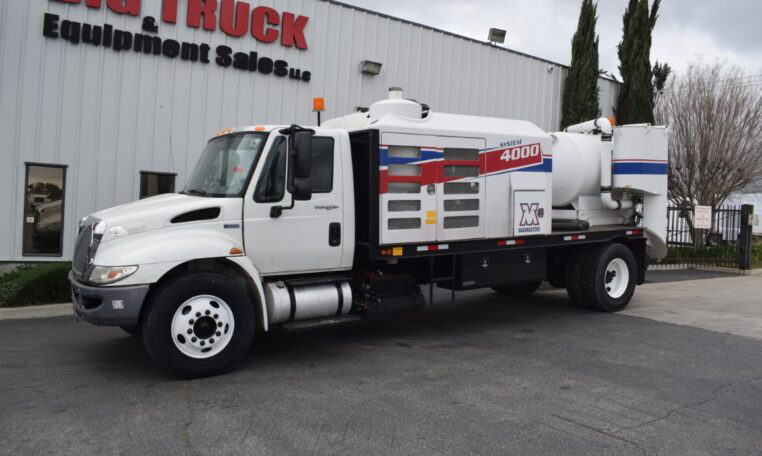
Addressing Common Concerns About Used Vacuum Trucks
- Concern: Used vacuum trucks aren’t dependable for critical stormwater work.
Answer: Many used units come from municipally maintained fleets with heavy-use histories — built to handle tough jobs and maintained to strict standards. With proper pre-purchase inspection and upkeep, they remain highly effective.
- Concern: Disposal and environmental regulations are burdensome.
Answer: Vacuum trucks make containment simple. Debris and water stay sealed in tanks until proper disposal. That reduces spill risk or illegal discharge. Many cities allow disposal at existing wastewater plants, and often disposal costs are far less than flood damage or repeated repair expenses.
- Concern: Maintenance on vacuum systems is expensive.
Answer: Components like suction hoses, pumps, or filters are widely available and more affordable than those on custom-built machinery. Replacement cycles are predictable, and regular maintenance prevents major failures — reducing long-term costs.
For firms focused on reliability, cost-effectiveness, and environmental safety, vacuum trucks in stormwater system maintenance overcome these concerns while delivering strong value.
Upgrade Your Fleet with Quality Used Vacuum Trucks from Big Truck & Equipment Sales
Looking to strengthen your stormwater maintenance program with reliable equipment? Big Truck & Equipment Sales, we offer thoroughly inspected and service-ready used heavy-duty trucks, including used vacuum trucks on sale, ideal for storm drain cleaning, catch basin maintenance, retention pond work, and pipeline clearing. Get dependable performance at a budget-friendly price.
Contact us today to find the right used vacuum truck in Washington, Texas, Arizona, and other US states, for your operations and protect your infrastructure before the next storm hits.
