Selecting the Right Broom Type and Suction System on Used Sweepers
- January 29, 2026
- Street Sweepers, vacuum trucks
- Posted by admin
- Leave your thoughts
Street sweeping plays a direct role in keeping air quality safer for communities, which is why cities are pushing harder for equipment setups that limit road dust from building up and blowing back into the air. When trucks are not equipped with the right broom style or suction system, dust control becomes weak and debris sits longer on the pavement.
This creates health concerns and forces crews to make additional runs just to maintain basic cleanliness. With growing attention on reducing airborne particles in busy corridors, buyers need a clear understanding of which sweeper truck features actually support better and cleaner streets.
Mechanical Sweepers for Heavy Debris
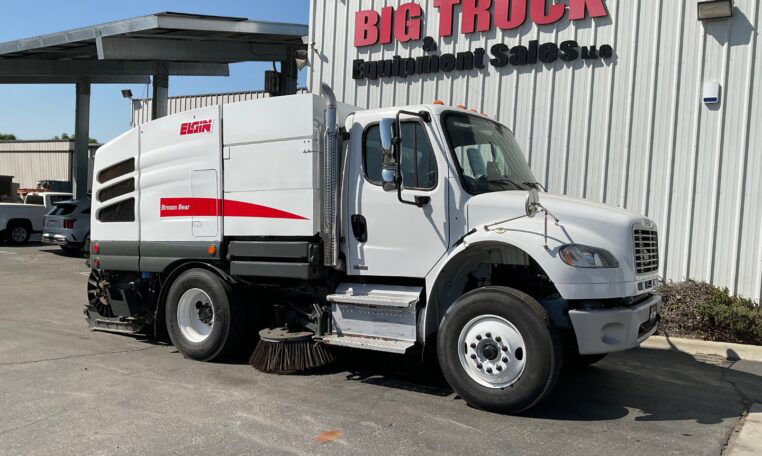
Mechanical sweepers rely on gutter brooms and a large main broom to move debris onto a conveyor system. They shine in areas with heavy compacted dirt, sand, leaves, and gravel. Construction sites and industrial zones often prefer these units because they lift and push larger debris that vacuum systems struggle with.
When comparing used mechanical sweepers, look at broom bristle type and pattern. Poly bristles last longer on pavement. Steel bristles grip heavy waste but wear down faster. Check for even broom rotation and consistent down pressure. Irregular broom movement can suggest hydraulic issues or uneven bristle wear. Mechanical sweepers also tend to have simpler suction setups, which cuts down on repair costs for operators who buy Sweeper trucks on a budget.
Vacuum Sweepers for Fine Dust and Urban Routes
Vacuum sweepers use high airflow to pull debris directly into the hopper. They handle fine dust, light trash, and smaller particles on paved streets. These units are popular for city routes, university campuses, airport roads, and commercial parking lots.
When inspecting a vacuum sweeper, focus on airflow rating, hose condition, and intake placement. Strong airflow ensures consistent pickup even at higher ground speeds. Inspect hoses for soft spots or cracking. Poor airflow can indicate blockages or weak auxiliary engines. Vacuum sweepers may also include a water spray system that keeps dust under control. This helps meet air quality rules in dense traffic zones.
Combination Sweepers for Mixed Conditions
Some used units offer both mechanical brooming and vacuum suction. These are helpful for routes with changing debris types. The broom handles the heavier waste, while the vacuum collects the dust that follows. Buyers who maintain large properties with mixed surface conditions often choose these machines to cut down on repeat passes.
Match System to Route Conditions
Sweeper truck features should match the environment. A mechanical unit may outperform a vacuum unit on rough industrial terrain. A vacuum sweeper may outperform a mechanical unit on smooth city streets with light litter. Buyers should also consider hopper capacity, broom width, fuel consumption, and ease of servicing. The right combination keeps cleaning efficient and prevents the operator from covering the same ground twice.
Buy the Right Sweeper Truck for Your Operation
Big Truck & Equipment Sales offers a wide selection of used sweeper trucks with proven broom and suction setups. If you want to buy Sweeper trucks that match your route needs, our team can help you compare sweeper truck features and select a unit that fits your goals. Contact today to find your next work ready machine. Check our inventory in Washington, Texas, Arizona, and other US states.
