Author Archives for admin
- August 16, 2025
- Street Sweepers, Trucks
- Posted by admin
- No comments yet
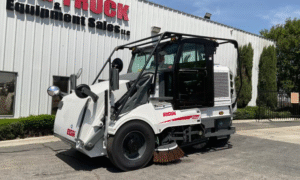
Need heavy-duty work vehicles but don’t want to sink six figures into a brand-new fleet? For small businesses, contractors, and service providers, new commercial vehicles often come with heavy price tags.
U.S. municipalities retire vehicles based on age or policy, not performance. That means many trucks are replaced on a schedule, not because there’s anything wrong with them. Cities often sell them off through auctions or fleet resellers. The result? Lower-mileage vehicles that have been well-maintained, ready for a new life in private business.
If you’re trying to grow your operations without crushing overhead, these refurbished municipal trucks can deliver serious value.
1. Government-Maintained Means Consistent Service
Municipal vehicles are on strict schedules for oil changes, brake checks, inspections, and repairs. City fleets don’t cut corners—because public safety (and lawsuits) are on the line.
So, when you buy refurbished municipal trucks, you’re getting machines that were:
- Routinely serviced
- Logged and inspected regularly
- Maintained [...]
- August 14, 2025
- bucket trucks, Trucks, vacuum trucks
- Posted by admin
- No comments yet
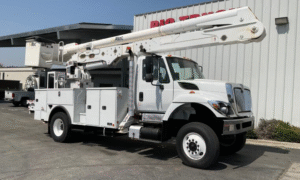
If you’re in the market for a used commercial truck, you already know the stakes are high. New commercial trucks can cost anywhere from $80,000 to over $150,000, depending on the type and configuration. That’s a serious chunk of capital, especially for small and mid-sized businesses trying to grow without breaking the bank.
Buying used isn’t about taking chances. It’s about making smarter moves. If you’ve ever bought a lemon, you know the pain—unreliable performance, hidden maintenance issues, and downtime that costs more than the truck itself.
So, how do you know when a used truck is actually worth the money? Let’s break it down step by step.
1. Clear, Documented Maintenance HistoryThe first sign of a smart buy? Records. You want a truck with a full, well-organized maintenance log. This should include:
- Regular oil changes
- Brake service
- Transmission checks
- Any major repairs or part replacements
A truck without records is a red [...]
- August 12, 2025
- bucket trucks, Trucks, vacuum trucks
- Posted by admin
- No comments yet
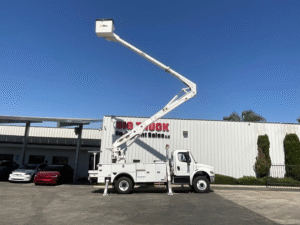
Tree service companies rely on powerful, reliable equipment to perform demanding tasks like pruning, tree removal, and storm cleanup. Choosing the right truck directly impacts safety, efficiency, and service quality. With a range of specialized vehicles available, including used bucket trucks in WA, and forestry trucks, investing in the right tools can significantly boost your operation’s capabilities.
Bucket Trucks: The Tree Trimmer’s EssentialBucket trucks are a staple for tree service professionals, allowing operators to reach heights safely and efficiently. These trucks come with hydraulic lifts and insulated or non-insulated buckets for various job types. Used bucket trucks are a cost-effective choice for smaller companies or startups looking to maintain professional standards without a large upfront investment. Brands like Altec are particularly trusted for their performance, durability, and ease of maintenance.
Altec Bucket Trucks: Built for PerformanceAltec bucket trucks stand out due to their advanced engineering and proven field performance. Known for their smooth boom operation and enhanced [...]
- August 10, 2025
- bucket trucks, Trucks
- Posted by admin
- No comments yet
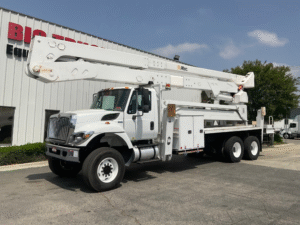
When it comes to dependable aerial work, used Altec bucket trucks continue to be a go-to solution for utility companies, contractors, and arborists across the country. Combining proven durability with cost-effectiveness, these vehicles remain a smart investment for businesses that need to elevate operations—literally.
Proven Performance and ReliabilityAltec has earned its place in the industry as a leading manufacturer of bucket trucks for aerial work. Even pre-owned, Altec bucket trucks are known for their solid construction and smooth hydraulic systems. Designed to endure years of demanding use, these trucks maintain high standards of safety and efficiency, making them ideal for tasks such as electrical line repair, tree trimming, and signage installation.
Cost Savings Without Compromising QualityOpting for used bucket trucks provides significant savings over buying new. For small businesses or growing contractors, this allows access to high-performance equipment without the burden of large capital investments. Because Altec trucks retain their value and mechanical reliability, buyers often [...]
- August 9, 2025
- bucket trucks, digger derrick trucks, Street Sweepers, Trucks, More Categories...
- Posted by admin
- No comments yet
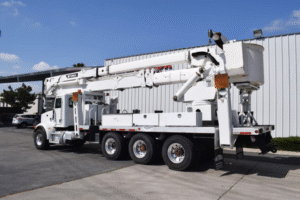
Purchasing pre-owned utility trucks can be a smart and cost-effective solution for businesses in industries such as construction, utilities, telecommunications, and environmental services. However, the process requires a careful approach to ensure you’re making a reliable and valuable investment. From evaluating the right vehicle type—like Altec bucket trucks or used vacuum trucks—to knowing where and how to shop, this guide covers essential tips to help you secure the best deal.
Understand Your Business NeedsBefore diving into the market, clearly define your company’s operational needs. Utility trucks come in various forms and configurations, each suited for different tasks:
Altec Bucket Trucks: Built for Elevated EfficiencyAltec bucket trucks are a go-to solution for professionals who need safe and reliable access to elevated work zones. Equipped with extendable boom lifts and secure platform buckets, these trucks are specially engineered for tasks like electrical line servicing, telecommunication maintenance, streetlight installation, and tree trimming. The brand is known for its rugged build [...]
- August 8, 2025
- Trucks, vacuum trucks
- Posted by admin
- No comments yet

Getting your business on the road shouldn’t mean draining your cash flow. Commercial truck financing is more than just helpful—it’s essential for most businesses. Small businesses use financing to purchase equipment, including trucks. The right financing plan lets you keep your capital free for payroll, operations, and growth, without sacrificing access to quality equipment.
If you’re eyeing used bucket trucks, used vacuum trucks, or a street-ready fleet, here’s how Big Truck & Equipment Sales makes it fast and simple to get what you need.
Step 1: Know What You Need
Before applying for commercial truck financing, decide on the truck type and features that fit your operation.
Are you looking at:
- A used bucket truck for electrical work or sign maintenance?
- A used vacuum truck for environmental services or septic pumping?
- A street sweeper for municipal or construction cleanup?
Once you’ve picked the vehicle, financing becomes more focused. You’ll be applying for a [...]
- August 7, 2025
- Trucks, vacuum trucks
- Posted by admin
- No comments yet
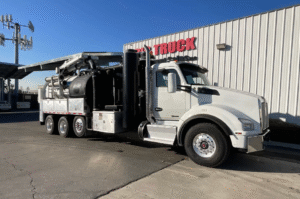
Municipalities and industries alike depend on specialized vehicles to keep their operations clean, efficient, and compliant with environmental standards. Among these, vacuum trucks stand out as one of the most critical assets. Designed for high-powered suction and safe waste disposal, vacuum trucks play a vital role in everything from sewer maintenance to industrial cleanup.
Whether you’re overseeing a city sanitation department or managing a factory site, understanding the importance of vacuum trucks can help you make better decisions for infrastructure and environmental upkeep. Let’s explore why vacuum trucks for municipal and industrial projects are not just useful—but essential.
What Are Vacuum Trucks?Vacuum trucks are heavy-duty vehicles equipped with powerful pumps that can extract liquid, sludge, and dry waste materials from difficult-to-reach places. The waste is then stored in an onboard tank and transported to treatment or disposal facilities. These trucks are typically used for:
- Sewer and septic cleaning
- Industrial tank cleaning
- Hydro excavation
- Environmental [...]
- August 6, 2025
- bucket trucks, Street Sweepers, Trucks
- Posted by admin
- No comments yet
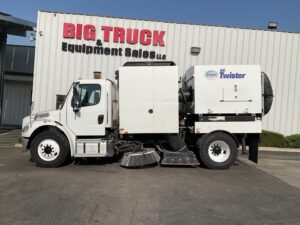
Keeping urban and industrial spaces clean is critical for public health, aesthetics, and environmental safety. Street sweeper trucks play a vital role in maintaining cleanliness across municipal roads, parking lots, construction sites, and commercial properties. But with so many models and features available, selecting the right one for your business can be overwhelming.
Whether you’re a city official, private contractor, or facilities manager looking to buy street sweeper units, this guide will help you make an informed and strategic investment.
1. Understand Your Cleaning NeedsBefore investing in a street sweeper truck, clearly define your cleaning objectives. Ask yourself:
- What type of surfaces will you clean? (urban roads, industrial yards, parking lots, airports, etc.)
- What kind of debris is typical? (leaves, dust, gravel, construction waste, oil residue)
- How often will the sweeper be used?
- What is the square footage or area you plan to cover?
These questions will help you determine the size, suction [...]
- August 5, 2025
- bucket trucks, Trucks, vacuum trucks
- Posted by admin
- No comments yet
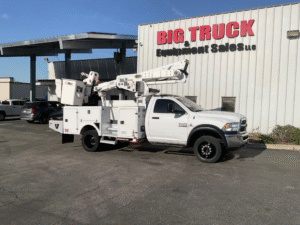
In the utility, construction, and forestry industries, bucket trucks are indispensable. These versatile machines offer safe access to elevated work areas, making them essential for electrical line maintenance, tree trimming, and signage work. For businesses aiming to maximize value in 2025, the used truck market presents a golden opportunity. This guide will walk you through the top used bucket trucks for sale in CA this year and the key considerations to ensure you get the best deal—without compromising safety or performance.
Why Buy a Used Bucket Truck in 2025?Purchasing a new bucket truck can be a significant investment, especially for small to mid-sized businesses. Fortunately, the used market offers many high-quality options that deliver the same capabilities at a fraction of the cost. In 2025, demand for reliable pre-owned bucket trucks remains strong due to rising costs of new equipment and supply chain delays.
When properly inspected and maintained, used bucket trucks can provide years [...]
