Winter Safety Tips for Using Bucket Trucks in Cold Weather
- February 21, 2026
- bucket trucks, Trucks
- Posted by admin
- Leave your thoughts
Cold weather turns routine elevated work into a higher risk operation. According to the Bureau of Labor Statistics, slips, trips, and falls account for more than 30 percent of nonfatal construction injuries, with winter conditions significantly increasing that risk.
Snow, ice, and freezing temperatures directly affect lift stability, operator control, and hydraulic performance. That is why winter bucket truck safety deserves extra attention during colder months.
When crews prepare correctly, a used bucket trucks for sale can still perform efficiently and safely all winter long.
Start With a Cold Weather Pre Shift Inspection
Cold impacts equipment differently than warm weather. Before each shift, operators should inspect components that are sensitive to temperature drops.
Key inspection points include:
- Hydraulic hoses for stiffness, cracks, or leaks
- Outriggers for ice buildup that can reduce ground contact
- Tires for proper inflation, since cold air lowers pressure
- Battery condition, as cold reduces starting power
Hydraulic fluid viscosity changes in freezing temperatures. Using the manufacturer recommended cold weather fluid helps maintain lift response and smooth movement.
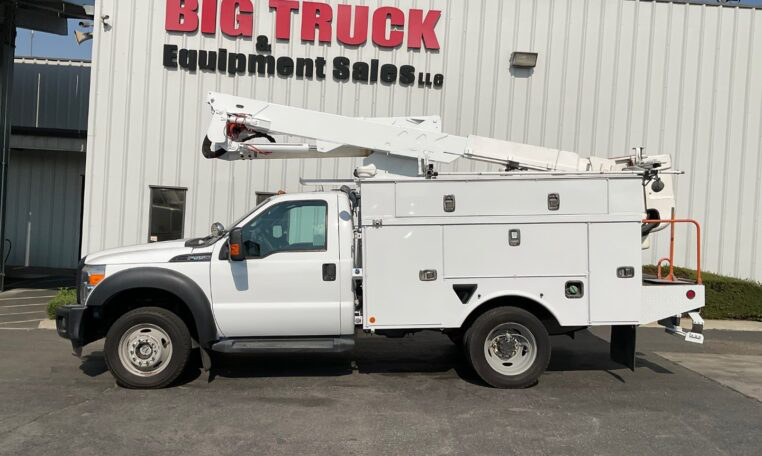
Control Ice and Snow on Work Surfaces
Ice buildup is one of the biggest winter hazards. Slippery bucket floors and control panels increase the risk of falls and loss of control.
Best practices include:
- Clearing snow from the bucket before elevation
- Applying non slip mats or coatings approved for lift buckets
- Keeping de icing spray on hand for quick treatment
Operators should also clear snow and ice from steps, handholds, and control levers before starting work.
Adjust Operating Speeds and Load Limits
Cold weather affects metal, hydraulics, and operator reaction time. Lifts should be raised and lowered at slower speeds to reduce stress on components. Sudden movements can cause hydraulic strain or loss of balance.
Load limits matter more in winter. Heavy tools combined with snow or ice add weight quickly. Staying below rated capacity helps maintain platform stability and prevents mechanical stress.
Dress for Safety and Control
Bulky winter clothing can restrict movement and reduce grip. Operators should wear insulated gear that allows full range of motion. Gloves must provide warmth without limiting control feedback.
Footwear matters as well. Slip resistant boots designed for icy surfaces help maintain balance when stepping into or out of the bucket.
Watch Wind and Temperature Thresholds
Cold weather often brings higher wind speeds. Wind chill affects both operator comfort and lift stability. Many manufacturers recommend stopping operations when wind speeds exceed safe limits, especially at full extension.
Extremely low temperatures can also impact hydraulic seals and hoses. If equipment response feels delayed or uneven, operations should pause until conditions improve.
Why Used Bucket Trucks Need Extra Winter Care
Older equipment can perform well in winter if properly maintained. Regular servicing and cold weather preparation extend service life and reduce downtime. When reviewing bucket trucks for sale, buyers should check winter readiness items such as hydraulic condition, insulation around components, and service history.
A properly maintained used bucket truck can support winter operations without sacrificing safety or productivity.
Stay Safe and Equipped This Winter Via Big Truck & Equipment Sales
Big Truck & Equipment Sales offers bucket trucks for sale in UT, Texas, Arizona, and other US states, that are inspected and ready for year round use. If you are looking for a dependable used bucket truck to handle winter conditions, contact our team today to check out our inventory and keep your crews working safely all season long.
