The Versatility of Vacuum Trucks: From Construction Sites to Airport Runways
- February 3, 2026
- bucket trucks, Street Sweepers, Trucks, vacuum trucks
- Posted by admin
- Leave your thoughts
Downtime, debris, and cleanup delays cost serious money across industrial and public works sectors. In aviation alone, foreign object debris causes an estimated $13 billion in annual damage to the aviation industry, impacting aircraft engines, runways, and ground operations.
This is where vacuum trucks prove their value. These machines handle dry material, wet waste, sludge, grit, and fine particles without shutting down operations. From busy construction sites to high-security airport runways, versatile vacuum trucks support safety, speed, and compliance.
For contractors and municipalities, access to a dependable used vacuum truck can mean fewer delays, safer work zones, and better control over cleanup costs.
Why Vacuum Trucks Prove Their Value Across Demanding Work Environments
This is where vacuum trucks prove their value in day-to-day operations. These machines are designed to remove dry material, wet waste, sludge, grit, fine dust, and mixed debris in a single pass. Cleanup happens without stopping surrounding work or disrupting site schedules. Instead of shutting down zones or bringing in multiple machines, one vacuum truck can complete the task quickly and cleanly.
From busy construction sites operating on tight timelines to high-security airport runways with strict maintenance windows, versatile vacuum trucks help teams meet safety rules while keeping productivity intact. They reduce airborne dust, prevent debris migration, and maintain controlled work zones that pass inspection faster.
For contractors and municipalities, access to a dependable used vacuum trucks in CO, directly impacts project flow. Delays drop. Cleanup becomes predictable. Work zones stay safer for crews and equipment. Most importantly, cleanup costs stay under control without repeated rental fees or added labor.
Why Vacuum Trucks Are Used Across So Many Industries
Vacuum trucks operate on a straightforward but powerful principle. A high-capacity vacuum system pulls material through a hose and transfers it into a sealed tank. This process keeps debris contained from collection to disposal. The material handled can include soil, slurry, gravel, sand, standing water, industrial byproducts, and environmental waste.
What separates versatile vacuum trucks from other cleanup equipment is their adaptability. With the correct setup, one truck can perform excavation support, surface cleanup, material transport, and environmental maintenance. Operators do not need separate machines for each task.
Used equipment allows businesses to access this flexibility without the high purchase price of new units. Proven designs and field-tested configurations make used vacuum trucks a practical solution for long-term operations.
Construction Sites and Daily Debris Control
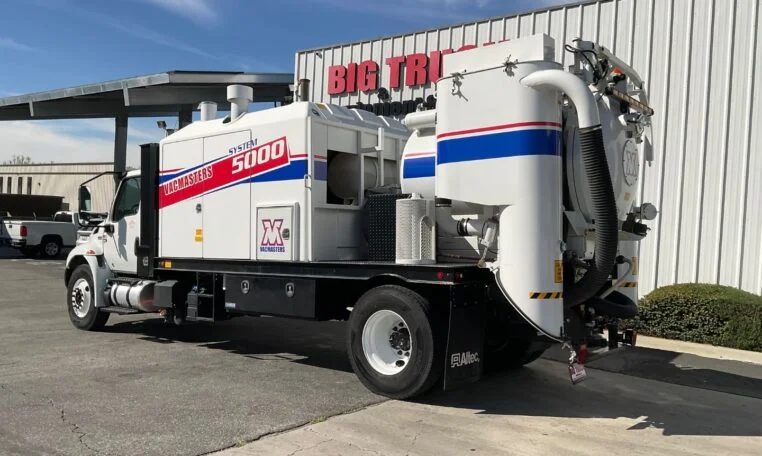
Construction sites generate debris constantly. Concrete dust spreads quickly. Loose gravel damages tires. Standing water slows equipment movement and creates slip hazards.
Vacuum trucks remove this material efficiently without disturbing active work areas. Dust stays contained. Crews continue working nearby. Equipment access lanes remain open and safe.
Used vacuum truck units are often assigned to daily cleanup routines on large projects. Instead of relying on crews with shovels and sweepers, a single operator can clear multiple zones in one shift. This keeps the site clean, organized, and compliant with safety standards.
Utility and Infrastructure Projects
Utility projects involve tight spaces, buried lines, and strict safety limits. Mechanical digging increases the risk of damage to pipes, cables, and conduits.
Vacuum trucks support non-mechanical soil removal and debris handling during utility access work. They assist with potholing, trench preparation, and cleanup after installation.
Versatile vacuum trucks switch between dry soil and wet slurry without stopping operations. This capability supports water main repairs, sewer connections, and storm drain maintenance without changing equipment or crews.
Hydro Excavation Support Roles
Vacuum trucks are a core component of hydro excavation operations. Pressurized water breaks up compacted soil, while the vacuum system removes material immediately.
This controlled process prevents soil collapse and protects nearby utilities. Excavation areas remain clean and visible throughout the job.
Many contractors invest in a used vacuum truck to support hydro excavation fleets. This approach expands service capacity while keeping equipment costs manageable.
Industrial Facilities and Plant Maintenance
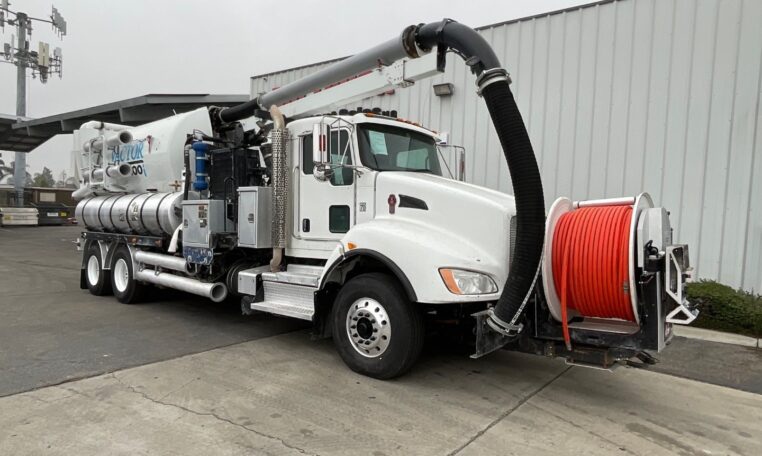
Industrial facilities face continuous debris buildup from daily operations. This includes powders, residue, sludge, liquids, and byproducts that collect in pits and trenches.
Vacuum trucks remove these materials without shutting down production lines. Operators reach confined spaces safely and clean thoroughly.
Used vacuum truck units are widely used in manufacturing plants because they balance performance with cost control. Maintenance teams rely on them for consistent cleanup without exceeding operating budgets.
Environmental Cleanup and Compliance
Environmental regulations require strict handling of contaminated materials. Vacuum trucks allow sealed transfer from collection points to approved disposal sites.
This containment prevents secondary contamination and supports compliance during remediation work. Sludge, oily residue, sediment, and contaminated soil are handled safely.
Versatile vacuum trucks also play a key role in spill response. Rapid deployment limits the spread and reduces cleanup time, protecting surrounding areas.
Municipal Street and Drainage Maintenance
Cities depend on vacuum trucks to support street sweeping, catch basin cleaning, and drainage system maintenance.
Sand, salt, and debris accumulate quickly after storms and road treatments. Vacuum systems remove material before it enters stormwater systems and causes blockages.
Used vacuum truck units allow municipalities to cover large service areas without exceeding budget limits.
Winter Operations and Snow Management
Winter conditions create heavy debris loads from snow removal and ice control efforts. Sand and salt residue affect traction and accelerate corrosion.
Vacuum trucks remove leftover material after plowing operations. This improves roadway safety and protects pavement surfaces.
Versatile vacuum trucks continue to perform in cold weather when maintained correctly. Heated components and insulated tanks support winter use.
Airport Runway and Airfield Maintenance
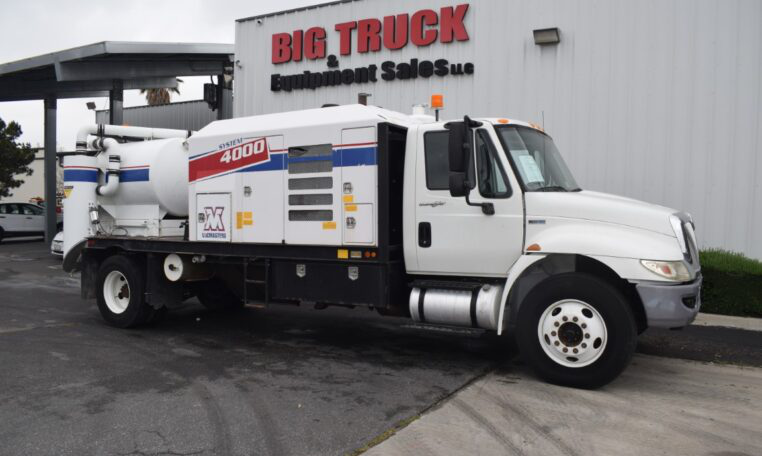
Airports operate under strict debris control standards. Even small objects can cause severe damage to aircraft.
Vacuum trucks remove rubber buildup, loose aggregate, and foreign material from runways and taxiways during short maintenance windows.
Used vacuum truck units are commonly used at regional airports where efficiency and budget balance matter. These trucks support safety requirements without excessive capital spending.
Handling Diverse Debris Types Efficiently
One of the strongest advantages of vacuum trucks is material flexibility.
Dry debris includes dust, gravel, and bulk solids. Wet debris includes slurry, sludge, and standing water. Some systems handle both without adjustment.
Versatile vacuum trucks allow operators to respond to changing site conditions without switching machines or slowing production.
Tank Capacity and Payload Considerations
Tank size directly affects productivity. Larger tanks reduce disposal trips but require suitable chassis support.
Used vacuum truck inventory includes multiple tank sizes to match different workloads. Buyers can select based on haul distance, disposal access, and debris type.
Correct sizing prevents overloading and extends equipment service life.
Vacuum System Types and Performance
Vacuum trucks typically use fan-based or positive-displacement systems.
Fan systems move large air volumes and suit surface cleanup and lighter materials. Positive displacement systems deliver stronger suction for dense or distant material.
Understanding these differences helps buyers choose the right used vacuum truck for sale.
Labor Savings and Site Efficiency
Manual cleanup requires time and manpower. Vacuum trucks reduce crew size and shorten task duration.
One operator completes work that previously required several workers. This lowers labor costs and reduces injury risk.
Versatile vacuum trucks also reduce site congestion by replacing multiple machines.
Safety Improvements Across Work Zones
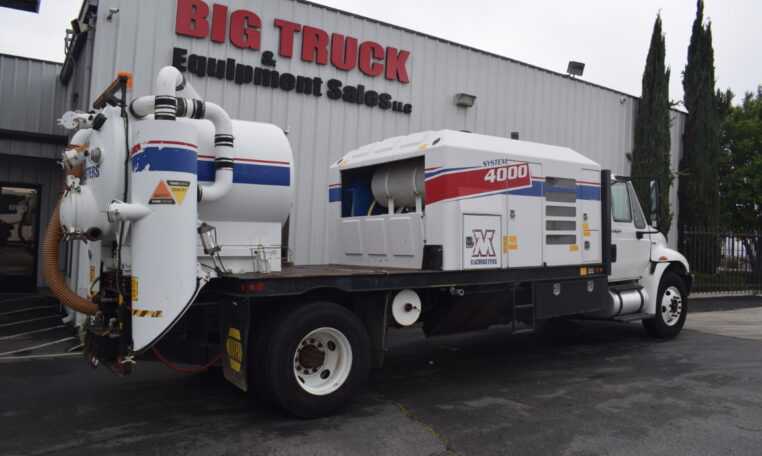
Debris creates hazards. Loose material causes slips, equipment damage, and limited visibility.
Vacuum trucks maintain clean work zones and control debris movement. Enclosed systems reduce airborne particles and improve air quality.
Sites using vacuum trucks often see fewer accident-related claims.
Maintenance Considerations for Used Units
Used vacuum truck ownership requires structured maintenance. Key inspection points include pumps, hoses, seals, tanks, and valves.
Routine service prevents unexpected downtime. Maintenance records help buyers confirm equipment condition.
With proper care, used vacuum trucks deliver long service life at a lower cost than new units.
Cost Control Benefits of Buying Used
New vacuum trucks require a large capital investment. Many operations delay purchases due to cost.
Used vacuum truck options provide immediate access to equipment without long lead times. Lower upfront costs support cash flow.
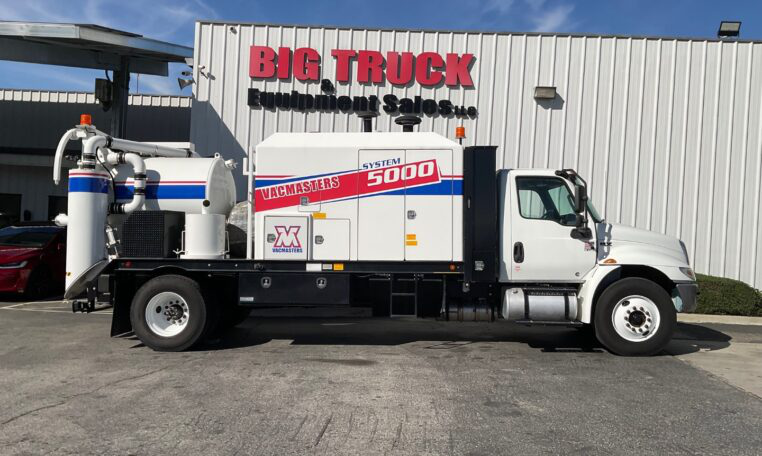
Vacuum trucks for sale in the used market often feature proven configurations suited for real job demands.
Fleet Flexibility and Multi-Use Value
One vacuum truck can support multiple departments or project types. Cleanup today. Drain work tomorrow.
This flexibility improves return on investment and keeps equipment active.
Versatile vacuum trucks suit small and mid-sized fleets aiming to maximize value from each unit.
Compliance and Documentation Support
Many projects require cleanup documentation and site condition records.
Vacuum truck use supports compliance by maintaining controlled work zones and reducing debris spread.
Used vacuum truck ownership allows teams to meet these requirements without relying on outside services.
Choosing the Right Vacuum Truck for Your Needs
Selecting the right used vacuum truck starts with understanding the material you handle most often. Dry debris, such as gravel, dust, and aggregate, requires different airflow performance than wet sludge, slurry, or standing water. A unit that works well for surface cleanup may struggle with dense material if the vacuum system is not matched correctly.
Work conditions also matter. Tight urban sites may require longer hose reach to keep the truck positioned away from traffic. Industrial facilities often need tanks built from heavier materials to handle abrasive or corrosive waste. Roadside and municipal jobs may benefit from faster loading systems to keep crews moving.
Usage frequency plays a major role in sizing equipment. Trucks used daily should have higher-duty pumps and reinforced components. Units used periodically can perform well with simpler configurations that cost less upfront.

When evaluating a used vacuum truck, buyers should closely review the pump type, tank material, hose length, valve condition, and overall chassis health. A strong drive train and solid suspension are just as important as suction power. The used market offers a wide range of configurations, making it easier to find a truck that fits actual job demands instead of overbuying capacity that never gets used.
The goal is straightforward. Match the truck’s capability to the real workload. This approach keeps purchase costs controlled while still delivering dependable performance in the field.
The Growing Role of Used Vacuum Trucks Across Industries
Used vacuum trucks are no longer specialty machines reserved for niche tasks. As safety requirements become stricter and labor availability tightens, these trucks are becoming standard equipment across many industries.
Construction teams rely on them to keep sites clean without slowing progress. Municipal crews use them to maintain streets, drains, and public infrastructure efficiently. Industrial operators depend on vacuum trucks to manage waste without shutting down production. Airports and transportation facilities use them to control debris that could create safety risks.
Their strength lies in versatility. One machine can handle multiple debris types, operate in varied environments, and adapt to changing conditions without additional attachments. This flexibility reduces the need for multiple cleanup solutions and lowers overall operating complexity.
Access to used vacuum trucks inventory makes this capability attainable for more organizations. Instead of committing large capital budgets to new equipment, operators can add proven machines that deliver immediate value. This allows companies and municipalities to improve safety, speed, and cost control while staying within budget limits.
Get the Right Used Vacuum Truck for Your Operation From Big Truck & Equipment Sales
Big Truck & Equipment Sales offers a strong selection of vacuum trucks for sale in KS, suited for construction, municipal, industrial, and airport use. Each used vacuum truck is evaluated for performance and condition.
Our team helps you choose equipment that fits your debris type, workload, and budget. Contact us today to put versatile inventory to work for your operation.
