Top Industries That Benefit from High-Suction Vacuum Trucks
- February 2, 2026
- vacuum trucks
- Posted by admin
- Leave your thoughts
Downtime costs money. Cleanup delays slow crews. Safety issues trigger fines and shutdowns. Across multiple industries, debris control is no longer a secondary task. It is a core operational requirement.
According to the EPA, hundreds of millions of tons of municipal solid waste are generated in the US, much of it requiring controlled removal and transport. Improper handling increases environmental risk and exposes organizations to compliance issues.
High-suction vacuum systems solve this problem at scale. Industrial vacuum trucks remove material quickly, safely, and in a contained manner. For many operators, owning a used vacuum truck provides the same functional capability as new equipment without the long wait times or heavy capital outlay.
From construction zones to factory floors and city streets, these machines support work that cannot afford interruption.
Why High-Suction Vacuum Trucks Matter Across Industries
Material buildup causes problems fast. Loose debris creates slip hazards. Liquids damage surfaces. Fine particles clog drainage systems and machinery.
Manual cleanup takes time and labor. Mechanical tools often spread dust or damage surrounding assets.
Industrial vacuum trucks apply controlled suction. Material moves directly into sealed tanks. Airborne spread drops. Cleanup time shrinks.
This efficiency is why demand continues to rise across sectors, particularly those with strict safety and cleanliness expectations.
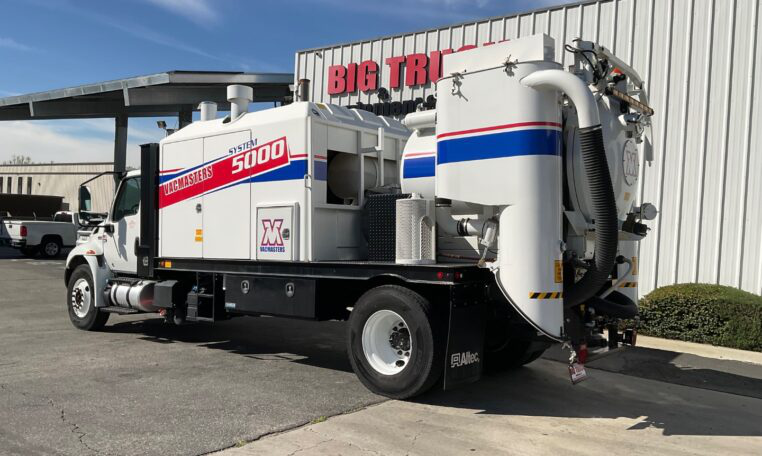
1. Construction Industry Applications
Construction sites change daily. Soil piles shift. Concrete dust spreads. Standing water collects after weather events.
High-suction vacuum trucks manage these conditions without disrupting workflow.
Soil and Aggregate Removal
Excavation work generates loose soil and gravel that block access routes. Vacuum trucks remove this material without dragging it across the site.
This keeps work zones clear and reduces equipment wear and tear.
Concrete Dust and Slurry Control
Cutting and grinding concrete produces fine dust and slurry. These materials pose respiratory risks and damage nearby finishes.
Industrial vacuum trucks collect residue directly at the source. This limits airborne exposure and simplifies disposal.
Trench and Utility Support
Vacuum trucks support trench cleanup during pipe installs and repairs. They remove loose material without disturbing surrounding structures.
For contractors, a used vacuum truck becomes a daily-use asset rather than a specialty tool.
2. Manufacturing and Processing Facilities
Manufacturing plants operate on tight schedules. Unplanned shutdowns are expensive.
Debris buildup poses a threat to equipment performance and worker safety.
Powder and Bulk Material Collection
Many facilities handle powders, pellets, and granules. Spills occur during transfer and processing.
High-suction systems collect these materials without scattering them across the floor. Production areas remain operational.
Liquid Waste and Sludge Removal
Coolants, oils, and process liquids accumulate in pits and trenches. Manual removal is slow and hazardous.
Industrial vacuum trucks remove liquids directly into sealed tanks. Cleanup finishes faster and exposure risk drops.
Maintenance Turnarounds
During scheduled maintenance, plants need fast debris removal. Vacuum trucks clear pits, sumps, and confined spaces efficiently.
Used vacuum truck units are common in manufacturing due to cost control and fast availability.
3. Municipal Operations and Public Works
Cities manage constant debris flow. Streets, drains, and public spaces require regular maintenance.
Vacuum trucks play a crucial role in maintaining the functionality of infrastructure.
Storm Drain and Catch Basin Cleaning
Leaves, sand, and trash clog drainage systems. Blockages lead to flooding and road damage.
Industrial vacuum trucks remove debris before storms overwhelm the system. This reduces emergency response costs.
Street Cleanup and Seasonal Debris
After winter, sand and salt residue remain on roads. These materials damage pavement and vehicles.
Vacuum trucks collect residue without pushing it into storm drains. Cleanup supports road longevity.
Wastewater and Sewer Support
Municipal crews rely on vacuum trucks for accessing and maintaining sewer lines. Sludge and sediment are removed safely.
A used vacuum truck allows municipalities to expand service coverage without exceeding budgets.
4. Industrial Facilities and Energy Sites
Energy production and heavy industry generate dense waste streams. Cleanup requires controlled handling.
Power Plants and Substations
Ash, residue, and insulation debris accumulate during maintenance. Vacuum trucks collect material without spreading fine particles.
This supports compliance and worker safety.
Refineries and Processing Yards
Oil-based waste and sludge require sealed transport. Industrial vacuum trucks provide containment from collection to disposal.
This limits environmental exposure and simplifies documentation.
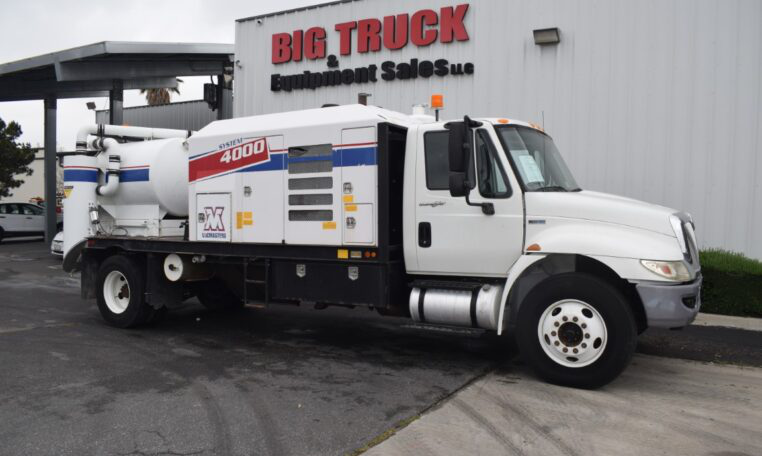
5. Environmental Cleanup and Remediation
Environmental work demands precision and containment. Mistakes carry regulatory consequences.
Contaminated Soil and Sediment
Vacuum trucks remove contaminated material without open-air handling. Tanks seal waste during transport.
This reduces secondary contamination risk.
Spill Response
Oil, fuel, and chemical spills require immediate action. Vacuum trucks deploy quickly and remove material before it spreads.
Used vacuum truck units are often staged for emergency response due to their versatility.
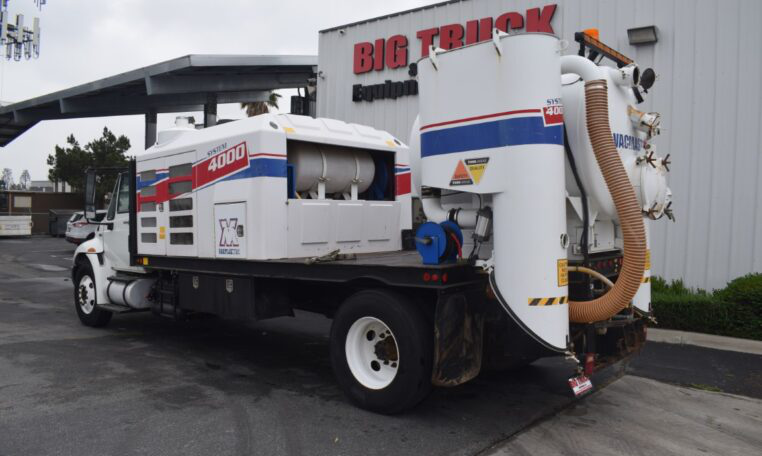
6. Mining and Aggregate Operations
Mining sites generate large volumes of fine material. Dust and slurry interfere with equipment.
Vacuum trucks remove buildup from processing areas and access roads. This keeps machinery operational and reduces wear.
High-suction systems handle dense material that other cleanup tools cannot manage efficiently.
7. Food and Beverage Production
Cleanliness standards are strict. Residue buildup threatens compliance.
Vacuum trucks remove waste from drains, pits, and loading areas without cross-contamination.
Sealed systems protect product integrity and support sanitation requirements.
8. Transportation and Logistics Facilities
Distribution centers and rail yards handle constant movement. Debris accumulation disrupts operations.
Vacuum trucks clear loading zones, tracks, and storage areas efficiently. This improves safety and traffic flow.
9. Airports and Aviation Support
Airfields require zero debris tolerance. Small objects damage engines and tires.
Vacuum trucks remove foreign material from runways and taxiways during short maintenance windows.
Used vacuum truck options support regional airports seeking cost control.
Waste Handling Capabilities Across Materials
Industrial vacuum trucks manage a wide range of debris types.
Dry material includes sand, gravel, powders, and dust. Wet material includes sludge, slurry, and standing water.
Some units handle both without reconfiguration. This flexibility reduces equipment swaps.
High-Suction System Types
Vacuum trucks use either fan-based or positive displacement systems.
Fan systems move large air volumes. They work well for surface debris and light material.
Positive displacement systems generate stronger suction over distance. They handle dense material and deep access points.
Understanding system type helps buyers choose the right used vacuum truck for sale.
Labor and Time Savings
Manual cleanup consumes hours and manpower. Vacuum trucks compress tasks into minutes.
One operator replaces multiple laborers. Exposure risk drops. Productivity rises.
This labor efficiency is a key reason industrial vacuum trucks are adopted across sectors.
Safety Improvements Across Job Sites
Loose debris causes slips and equipment damage. Liquids create skid hazards.
Vacuum trucks improve site safety by maintaining clean work zones. Enclosed systems limit airborne exposure.
Fewer incidents translate to fewer claims and less downtime.
Maintenance Considerations for Used Equipment
Used vacuum truck ownership requires regular inspection.
Key components include pumps, hoses, seals, tanks, and valves. Preventive maintenance protects uptime.
Service records help buyers evaluate the condition before purchase.
When maintained correctly, a used vacuum truck in CO, delivers long-term value.
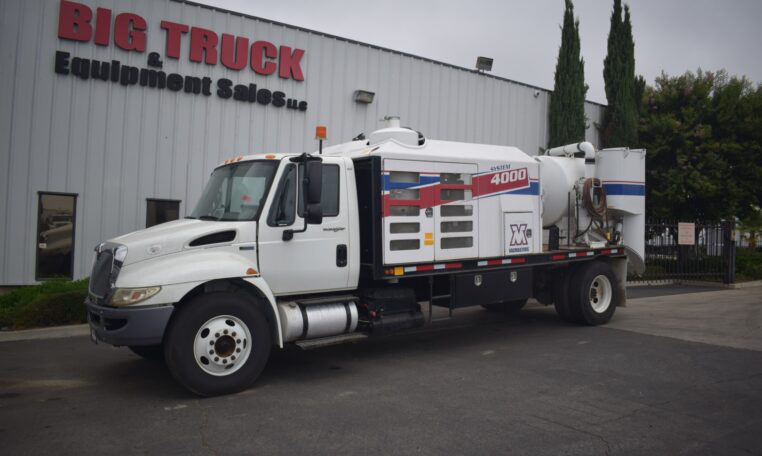
Cost Control Advantages of Buying Used
New vacuum trucks carry high purchase prices and long lead times. Used vacuum truck options provide immediate capability at a lower cost. Cash flow improves.
Vacuum trucks for sale in the secondary market often include proven configurations suited to real-world workloads.
Fleet Flexibility and Multi-Industry Use
One vacuum truck can serve multiple departments.
Construction cleanup in one week. Drain maintenance next. Industrial shutdown support after that.
This flexibility increases asset utilization and return on investment.
Regulatory and Documentation Support
Clean sites pass inspections faster. Vacuum truck use supports compliance by limiting debris spread.
Contained transport simplifies disposal documentation.
Used vacuum truck ownership allows organizations to control cleanup internally rather than relying on contractors.
Choosing the Right Used Vacuum Truck
Buyers should assess debris type, work environment, and duty cycle. Pump type, tank size, hose length, and chassis condition matter. Matching capacity to workload prevents overbuying and extends service life.
Why Demand for Industrial Vacuum Trucks Keeps Growing
Safety rules tighten. Labor costs rise. Cleanup expectations increase.
Industrial vacuum trucks shift from optional equipment to standard fleet assets across industries.
Access to used vacuum truck inventory ensures more operators can adopt this capability without financial strain.
Find the Right Industrial Vacuum Truck at Big Truck & Equipment Sales
At Big Truck & Equipment Sales, we offer a wide selection of vacuum trucks for sale suited to construction, manufacturing, and municipal applications. Our inventory includes well-maintained used vacuum trucks in KS, Texas, Arizona, and other US states, built to handle demanding debris removal tasks.
If your operation needs dependable cleanup performance without new equipment pricing, our team can help you select the right industrial vacuum truck for your workload and budget. Contact our team today.
