Hydro Excavation Safety Standards Every Operator Should Know
- January 25, 2026
- Trucks, vacuum trucks
- Posted by admin
- Leave your thoughts
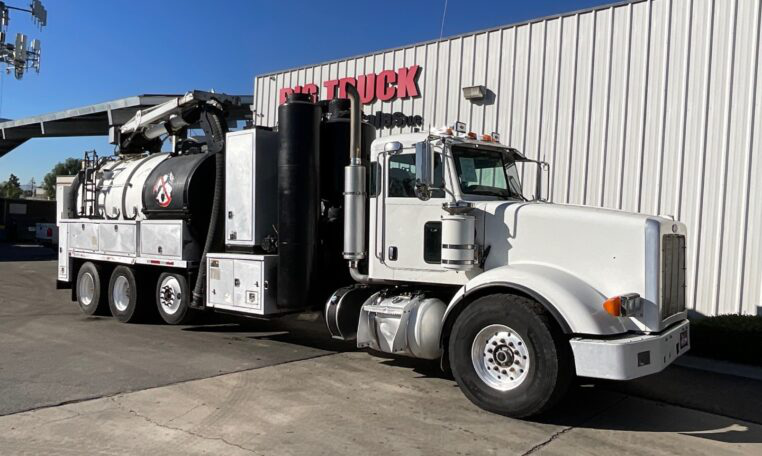
Hydro excavation is a highly effective method for digging, utility exposure, and environmental cleanup. However, it comes with safety responsibilities that every operator must take seriously. According to OSHA, excavation-related accidents account for thousands of injuries annually, making hydro excavation safety a top priority on job sites. For crews using used hydro excavation trucks for sale, understanding proper procedures is essential for safe and efficient operation.
Understanding the Risks
While hydro excavation uses pressurized water instead of mechanical digging, risks remain. High-pressure water and vacuum systems can cause serious injuries if mishandled. Operators may face:
- Injury from pressurized water: Contact with water at 2000 psi or more can cause deep tissue damage.
- Hazardous material exposure: Excavation near industrial sites or stormwater systems can expose crews to contaminated soil or liquids.
- Vehicle and equipment accidents: Poor positioning or unstable surfaces can lead to rollovers or collisions.
Safety begins with awareness. Knowing the risks is the first step toward preventing accidents and protecting the crew.
OSHA Compliance Guidelines
Compliance with OSHA standards ensures legal adherence and safer operations. Operators should follow regulations including:
- 29 CFR 1926 Subpart P for excavation, requiring protective systems for trenches and exposed utility lines.
- Proper personal protective equipment (PPE)including eye protection, gloves, hard hats, and high-visibility clothing.
- Routine inspections of hydro excavation equipment before every job to verify hose integrity, water pressure, vacuum system function, and tank security.
Following OSHA standards reduces workplace injuries and improves overall project efficiency.
Operator Training Essentials
Training is a core element of hydro excavation safety. A well-trained operator understands both the truck and the work environment. Training should include:
- Safe operation of pressurized water and vacuum systems
- Correct positioning of the truck for stability and reach
- Emergency shutdown procedures
- Identifying underground utilities before excavation
Many contractors invest in certified training programs to ensure all operators are fully prepared.
Site Safety Practices
Even a skilled operator must follow strict site protocols:
- Establish barriers around excavation zones to protect bystanders and workers.
- Mark and identify underground utilities using maps and locating devices.
- Maintain clear communication between operators, supervisors, and ground personnel.
- Avoid overreaching or exceeding hose limits to prevent tipping or hose failure.
These practices prevent accidents and reduce project delays caused by unsafe conditions.
Maintaining Your Equipment
Regular maintenance of used hydro excavation trucks for sale is also a safety factor. Inspect pumps, hoses, water heating systems, and vacuum tanks routinely. Addressing minor wear before it becomes a failure helps maintain both operational efficiency and operator safety.
Secure Your Hydro Excavation Truck Today
Big Truck & Equipment Sales offers a selection of fully inspected used hydro excavation trucks for sale in Washington, Texas, Arizona, and other US states, ensuring safe, reliable, and efficient operation for every job site. Contact us today to find the right truck for your crew. Check out our inventory.
