How Used Vacuum Trucks Save Businesses Money Without Compromising Quality
- November 4, 2025
- Trucks, vacuum trucks
- Posted by admin
- Leave your thoughts
When a vacuum truck sits idle, it isn’t earning—it’s costing. Yet, many businesses delay adding one because new units carry steep prices. However,the reality is that you can get high performance today by choosing cost-effective used vacuum trucks — ones that deliver power, durability, and return on investment without bleeding your capital. In fact, 82% of businesses experienced at least one unexpected downtime incident over the last three years. One minute of stopped production, or downtime, costs an average of $22,000. When every hour of service matters, a smart purchase pays itself back faster than you might think.
If you’re considering used vacuum trucks to support utility work, industrial cleanup, or municipal contracts, here’s how buying used can be a strategic, money-saving move—without giving up quality.
1. Lower Capital Outlay Means Faster Break-Even
Upfront Savings vs Depreciation
The biggest immediate benefit of used vacuum trucks is the lower purchase cost. New vacuum trucks often carry premium features and the newest components—but they also come with steep depreciation the moment they leave the lot. Used vacuum trucks, on the other hand, have already absorbed most of that initial drop. That gives you a more stable asset value over time.
With lower capital tied up in the truck itself, you reach break-even faster. Every job you complete after that point is a direct gain, not debt service.
Opportunity Cost & Financial Flexibility
When you invest less up front, you free capital for operations: crew wages, training, spare parts inventory, or back-up vehicles. That flexibility allows you to respond quickly to new contracts or unexpected job site needs without being locked into massive amortized payments.
In many cases, businesses using used vacuum trucks can boost their service capacity faster than firms still saving to buy new.
2. Proven Systems and Field-Tested Reliability
Machinery That Has Already Proven Itself
Used vacuum trucks typically come from fleets that maintained strict service schedules. They’ve worked through real-world conditions—urban environments, construction zones, sludge pits, storm cleanup sites. Those operational hours are not a weakness—they’re proof that the systems function under stress.
When you inspect properly, you’ll often find solid pumps, blowers, tanks, and chassis that still have years of life left.
Refurbishment and Inspection by Reputable Sellers
Good sellers don’t just resell; they recondition. That means replaced hoses, resealed tanks, new filters, and verified suction performance. In many cases, used vacuum trucks are delivered in work-ready condition.
That level of inspection and repair ensures the used truck arrives with quality you can count on, reducing the risk of early failures.

3. Reduced Depreciation & Stronger Resale Value
One of the silent costs of owning equipment is value loss over time. New machines often lose 20–30% of their value within the first few years. Used vacuum trucks have already passed through that steep curve. That means their value stabilizes.
If you later decide to upgrade, the resale or trade-in value will be stronger relative to what you originally paid. That gives you breathing room when planning fleet growth.
4. Lower Insurance, Licensing, and Operating Overhead
Sinceused vacuum trucks have lower book value, many insurance carriers offer lower premiums. Licensing and registration fees often scale with vehicle value or class year, so a used unit can reduce recurring costs.
Also, maintenance budgets tend to reflect the reality of wear. When operating costs are more predictable, businesses can better allocate resources without constantly fighting surprise expenses.

5. Faster Deployment & Less Lead Waiting
Ordering a new vacuum truck can involve long wait times—manufacturing schedules, parts shortages, and custom configuration delays. That period of waiting means lost opportunities.
Used vacuum trucks for sale are often in stock or ready for delivery quickly. You can deploy to the job site within days, not months. For companies bidding on time-critical projects—emergency cleanup, municipal contracts, industrial shutdowns—that speed difference is huge.
6. Competitive Advantage: Pricing and Margin
When your capital cost is lower, your service pricing becomes more competitive. You can bid more aggressively (or maintain margins) while still offering strong returns.
In industries where contract margins are tight—utility maintenance, environmental services, municipal services—owning a used vacuum truck can give you a pricing edge without undercutting quality.

7. Versatility Across Multiple Applications
Used vacuum trucks are used in many markets—storm cleanup, pipeline maintenance, sewer cleaning, hydro excavation, industrial cleanup, and more. When you own the truck, you can shift between contract types without leasing or sourcing specialty rentals.
That versatility directly ties into better ROI. You’re not limited to one job type; you can maximize truck utilization across property management, municipal work, utility contracts, and emergency response.
8. Long-Term Reliability with Proper Maintenance
Even the best used vacuum truck can fail if not maintained well. But with disciplined upkeep, many components outperform expectations.
Key maintenance to focus on:
- Changing pump and blower oils at the proper intervals
- Cleaning or replacing filters regularly
- Flushing tanks to prevent corrosion
- Checking hose connections, seals, and clamps
- Monitoring vacuum and pressure performance
When you treat the used vacuum truck as a long-term investment, its reliability approaches that of new units—and with far lower cost.

What to Evaluate When Buying Used Vacuum Trucks
Before finalizing a purchase, spend time understanding what you’re actually getting. Even if a truck looks great on the outside, the real value lies in what’s under the hood—and how well it performs under load. A thorough inspection can help you avoid unexpected breakdowns, downtime, and expensive repairs. Here’s a complete checklist to guide you:
1. Pump and Blower Performance
The pump and blower are the heart of your vacuum system. Check the CFM (cubic feet per minute) and pressure ratings to ensure they meet your operational needs. Test suction strength in real conditions, not just idle mode. Listen for unusual noises—grinding, hissing, or vibration can indicate worn bearings or seals. Weak performance may mean the blower needs rebuilding, which can add significant cost post-purchase.
2. Tank Integrity
Vacuum tanks handle tough materials—sludge, slurry, debris—and are exposed to harsh chemicals and moisture. Inspect the tank’s interior and exterior for rust, corrosion, and leaks. Look closely at weld seams, manways, and mounting points for signs of fatigue. A tank in poor condition isn’t just a cosmetic issue—it can lead to leaks or pressure failures, which are both safety and environmental hazards.
3. Hydraulic Lines and Boosters
Hydraulic systems power essential components like booms, doors, and reels. Check for fluid leaks, soft hoses, worn fittings, or sluggish cylinder response. Even a small leak can reduce performance or lead to system failure. Make sure hydraulic fluid levels are clean and clear—dark or burnt-smelling oil is a red flag for overheating or contamination.
4. Hose Systems and Connections
Inspect all hoses, clamps, reels, and couplings for damage. Suction hoses should be kink-free and flexible, not brittle or cracked. Replacing large-diameter hoses can be costly, so their condition directly affects your bottom line. Also, verify that hose reels operate smoothly and that all connection points are properly sealed.
5. Chassis and Frame Condition
The chassis is what holds everything together—literally. Crawl underneath to check for cracks, rust, corrosion, or welding repairs. Pay special attention to suspension mounts, crossmembers, and load-bearing joints. Examine the tires, brakes, and steering components as well; these directly impact safety and drivability. High mileage doesn’t always mean poor condition if the truck has been regularly serviced.
6. Control Systems and Electrical Components
From lights to pressure gauges, everything must function properly. Test switches, safety shutoffs, alarms, and control panels. Check the electrical wiring for frayed insulation or amateur repairs. Faulty wiring can lead to costly downtime or even safety incidents on the job. Make sure all indicator lights and gauges read correctly when the truck is powered up.
7. Service Records and Maintenance Logs
Ask for a detailed maintenance history. A truck with consistent oil changes, filter replacements, and scheduled service will likely perform better and last longer. Review the documentation for major component replacements, overhauls, or accident repairs. The more transparent the record, the better you can predict future performance and maintenance costs.
8. Vacuum System Seals and Gaskets
Leaks in seals and gaskets can drastically reduce suction efficiency and create hazardous conditions. Inspect all gaskets, O-rings, and fittings for brittleness or cracks. These may look minor, but replacements can be labor-intensive and expensive. Tight seals are essential for maintaining consistent vacuum pressure and ensuring the truck performs as intended.
9. Spare Parts Availability
Older vacuum truck models may have parts that are harder to find. Confirm with the seller that replacement parts and consumables—like filters, hoses, valves, and fittings—are still available through suppliers. Buying a used truck is a long-term investment, and easy access to spare parts means you’ll spend less time waiting for repairs.
10. Professional Inspection or Test Run
If possible, schedule a test run before finalizing the deal. Watch how the cost-effective used vacuum trucks handle under load—check how quickly it builds vacuum pressure and how responsive the controls are. Consider having a qualified mechanic or technician inspect the unit, especially for used models with higher operating hours. A small investment in a professional inspection can save thousands later.
Read further: Top 6 Features to Look for When Buying a Pre-Owned Vacuum Truck.

Common Misconceptions Addressed
When it comes to used vacuum trucks, misconceptions often prevent businesses from taking advantage of significant cost savings and performance benefits. Let’s set the record straight on some of the most common myths that circulate in the industry.
“Performance will suffer.”
A properly serviced truck maintains strong suction, consistent pressure, and dependable flow. Regular oil changes, seal checks, and blower maintenance keep performance levels close to factory standards. Many used units on the market still match their original specs with ease.
“Parts will be hard to find.”
Most trucks use standard pumps, hoses, and fittings, making parts easy to source through OEMs and aftermarket suppliers. Even older models typically have solid parts support, so you won’t struggle to keep them running.
“Warranty won’t exist.”
That’s not always the case. Some vacuum truck dealers offer limited warranties or post-sale service support. It’s about buying from a seller who stands behind their equipment, giving you confidence in your purchase.
Maximizing ROI with Cost-Effective Used Vacuum Trucks
When you examine all the factors—lower purchase costs, slower depreciation, faster deployment, versatility, and strong resale—you see that cost-effective used vacuum trucks can deliver unmatched value. They let you invest in growth, increase job capacity, and maintain operational flexibility without sacrificing performance or reliability.
Used vacuum trucks are not just a compromise—they’re a strategic choice. If you inspect carefully, maintain rigorously, and choose from trusted sellers, you gain powerful machines that serve your bottom line as well as your job sites.
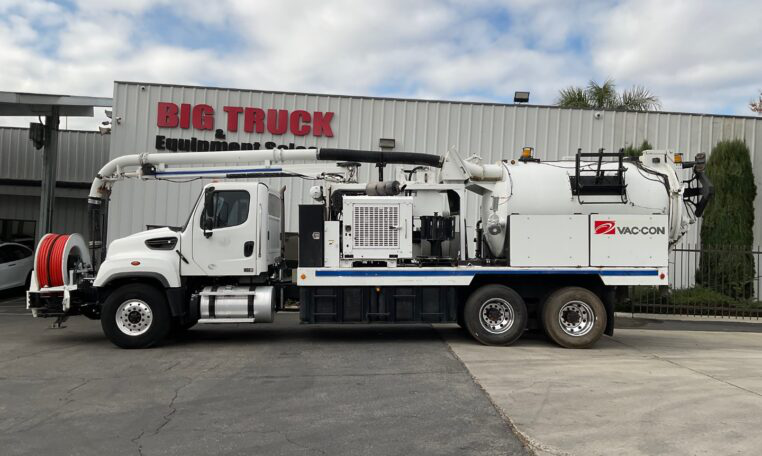
Get Cost-Effective Used Vacuum TrucksFrom Big Truck & Equipment Sales
Looking for vacuum trucks for sale in KS that deliver performance without the high price tag? At Big Truck & Equipment Sales, we help contractors, municipalities, and industrial operators find dependable, work-ready, cost-effective used vacuum trucks in WA, Texas, Arizona, and other US states that perform under pressure. Every truck in our inventory is thoroughly inspected to ensure it’s ready for the field — from pump efficiency to tank integrity.
When you partner with us, you’re not just buying equipment — you’re investing in proven performance and long-term value. Trade smart, boost productivity, and keep your operations running smoothly without overspending. Contact us today and let our team help you choose a truck that fits your exact job requirements and budget.
